
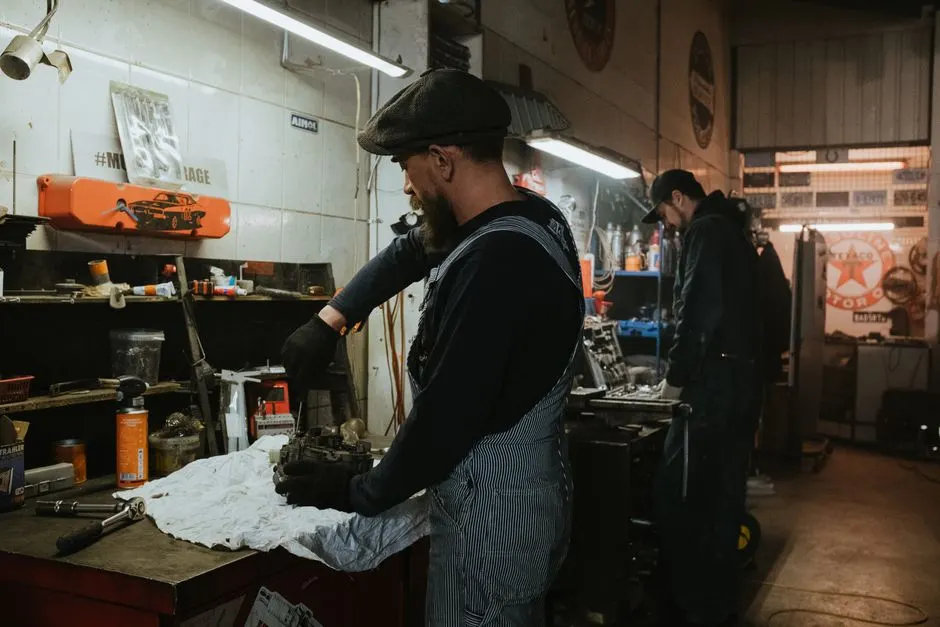
Load calculation and sizing
ACCA Manual J load calc based on your square footage, insulation, windows and altitude. This is what prevents an oversized furnace from short cycling and an undersized one from running nonstop in a Colorado January.
Every replacement we do includes the core work that keeps the install code-correct and your warranty valid. Add-ons like new ductwork, chimney liners or a zoning system are quoted separately so you can see exactly what you are paying for.
ACCA Manual J load calc based on your square footage, insulation, windows and altitude. This is what prevents an oversized furnace from short cycling and an undersized one from running nonstop in a Colorado January.
We pull the local building permit in your jurisdiction, schedule the inspection and meet the inspector on site. You get the signed-off paperwork for your records, which matters at resale and for insurance.
Old furnace disconnected, removed and hauled off. No unit left in your garage, no extra dumpster fee. We also dispose of the old thermostat and any failed components we replaced.
New or modified plenum built to match the new unit, with duct sealant at every connection we touch. This is where a lot of airflow loss happens on older Colorado homes, and it is included, not an upsell.
Gas pressure set with a manometer, temperature rise verified, flame sensor microamps checked, and a combustion analyzer run for CO and CO2. You get the numbers, not just a handshake.
New Nest or Honeywell thermostat installed and programmed, filter size noted, and a walkthrough of the unit, warranty terms and filter change schedule before we leave the property.
Furnace Replacement in Colorado is the full removal and reinstallation of your home's primary heat source: load calculation, new furnace, new or modified plenum, gas piping check, venting, thermostat and a combustion test before we hand you the keys back. It is not a parts swap. We size the unit to your square footage, insulation and altitude, because a furnace that is oversized short cycles and one that is undersized runs nonstop on a January night in Georgetown.
Most Colorado homes we open up are running 15- to 25-year-old units that were never sized for the current house. Add a finished basement, new windows or a 1980s build in Firestone with leaky ductwork, and the old furnace is fighting a losing battle. That is when a furnace swap out Colorado homeowners can trust beats another $600 repair on a unit that will fail again next winter. We tell you straight which way to go.
Five steps, one day for most homes, no surprises on the invoice. Here is exactly what happens from the first phone call to the final combustion test.
Schedule
Call or book online — a real human picks up and confirms a 2-hour arrival window.
Diagnose
Licensed tech inspects on-site, then walks you through the cause and your options.
Fix
The job is completed to code and done right the first time — no shortcuts, no surprises.
Guarantee
Every job backed by a written workmanship warranty — and we stand behind it.
Combustion analyzer
Measures CO, CO2 and stack temperature at startup. Confirms the furnace is burning clean and venting correctly, which matters at Colorado's varying altitudes.
Manometer
Sets inlet and manifold gas pressure to the manufacturer's spec. A furnace running at the wrong pressure wastes gas or fails to ignite reliably.
Multimeter and clamp meter
Verifies flame sensor microamps, igniter resistance and blower motor amp draw. Lets us confirm a component is actually failed before replacing it.
Inspection camera
Looks inside the heat exchanger for cracks that are not visible from the outside. This is how we catch a failing unit before it becomes a CO problem.
Vacuum gauge
Checks static pressure across the furnace and filter. High static pressure means restricted airflow, which shortens blower motor life and cuts heat delivery.
Thermostat platforms (Nest, Honeywell)
Installed and configured on every replacement. Set up schedules, alerts and remote access so you can see what the furnace is doing from your phone.
ACCA Manual J load calculation
The industry standard for sizing heating equipment. We measure the home, account for insulation, windows, orientation and altitude, and size the furnace to the actual load instead of copying the old unit's label.
NATE-certified installation
Every technician on a replacement job holds NATE certification, meaning they have passed testing on furnace installation, combustion and electrical. It is the credential that separates a real install from a handyman swap.
Colorado HVAC license and local permits
We work under a Colorado HVAC license and pull the local building permit in your jurisdiction. The inspector signs off on gas piping, venting and electrical, which protects you at resale and for insurance.
Combustion test on startup
Every replacement ends with a combustion analyzer reading and a temperature rise check. If the numbers are off, we adjust before we leave. No furnace goes into service untested.
01
What we do: We quote replacement with two or three equipment options, run a load calc, and schedule the install within the week. Old unit hauled away, new unit commissioned with a combustion test.
→ You stop paying $400-$800 per repair season and get a 10-year parts warranty instead of a shrinking lifeline on a dying unit.
02
What we do: We provide a written replacement quote you can use in negotiation, pull the permit, and install a code-correct unit that satisfies the lender and the inspector.
→ Closing goes through without a repair credit fight, and you move in with heat you can trust on day one.
03
What we do: We recalculate the load with the new square footage, upsize the furnace appropriately, and adjust ductwork and registers to balance airflow to the new space.
→ Every room holds temperature within 2-3 degrees of the thermostat, including the new space, without running the furnace nonstop.
04
What we do: We install a 96% AFUE condensing furnace with proper PVC venting and condensate management, then verify the install with a combustion analyzer.
→ Typical gas savings of 15-25% per heating season, quieter operation, and a unit that qualifies for utility rebates where available.
Colorado is not one climate. Denver and the Front Range sit around 5,280 feet with dry air and wide temperature swings. Mountain towns like Breckenridge, Georgetown and Edwards run 8,000 to 10,000 feet, where gas orifices need to be derated and combustion air is thinner. The Western Slope and southern valleys near Pagosa Springs and Mesa Verde National Park see different snow loads and wind exposure. We adjust gas pressure, venting and sizing for each. Building stock varies too: 1920s bungalows in Denver with retrofitted ductwork, 1970s ranches in Pueblo, and new tight builds in Firestone that need a sealed combustion unit. Every replacement we do pulls the local permit, and we meet the inspector on site. If you are weighing furnace replacement vs repair in Colorado, the honest answer usually comes down to age, heat exchanger condition and how many repairs you have already paid for.
Washington Park, Denver
1920s homes with original basements and tight mechanical closets. We often rebuild the plenum and re-route venting to fit a modern two-stage furnace.
Old Town, Firestone
Newer tight construction that benefits from sealed combustion and a properly sized return drop to avoid pressure imbalances.
Downtown Breckenridge
High-altitude second homes where furnaces sit idle for weeks. We derate gas orifices and add freeze protection on condensate lines.
North Loveland
Mix of 1990s builds and rural properties on propane. We size for the fuel type and verify manifold pressure on every startup.
Altitude above 8,000 feet in mountain towns
Gas orifices must be derated and combustion air adjusted. A furnace installed at sea-level spec will run rich, soot up and fail early. We set it correctly on install.
Dry air and wide temperature swings on the Front Range
Furnaces cycle more often, which stresses the igniter and heat exchanger. Two-stage or modulating units handle the swing better than single-stage.
Older housing stock with undersized ductwork
Restricted airflow causes short cycling and premature blower motor failure. We check static pressure and correct duct issues during the replacement.
Freeze-prone condensate lines in mountain homes
High-efficiency furnaces produce condensate that can freeze and shut the unit down. We route and insulate lines to prevent winter lockouts.
Most replacement calls start with one of these symptoms. If you recognize yours, the unit is telling you it is time to look at a full replacement rather than another patch.
Problem
Usually a dirty flame sensor, failing igniter or a heat exchanger that cannot hold temperature. Left alone, it turns into a no-heat call on the coldest night of the year.
Our Fix
We test the flame sensor and igniter first. If the heat exchanger is cracked or the unit is past 18 years, we quote replacement with a properly sized unit and get heat back the same day in most cases.
Problem
Oversized equipment or a restricted heat exchanger. Short cycling wears out the blower motor, control board and igniter fast, and your gas bill climbs while the house stays cold.
Our Fix
We run a load calculation to confirm the correct BTU size, then replace with a two-stage or modulating unit that matches the home. Static pressure is checked and duct issues corrected at the same time.
Problem
A failing blower motor, capacitor or control board pulling too many amps. It is a fire and equipment risk, and it usually gets worse, not better.
Our Fix
We trace the circuit with a clamp meter, replace the failed component if the unit is young, or quote a full replacement if the repair cost is more than a third of a new furnace.
Problem
On high-efficiency units, a clogged or frozen condensate line. In mountain homes near Edwards or Breckenridge, that trap freezes and shuts the furnace down entirely.
Our Fix
We clear and re-route the condensate line, add freeze protection where needed, and if the secondary heat exchanger is compromised, replace the unit with one rated for the altitude and climate.
A furnace that trips the breaker twice a season or blows cold air on startup is telling you something. Here is what a proper replacement buys you in a Colorado winter.
Lower gas bills
A modern 96% AFUE two-stage furnace burns roughly 15-25% less gas than a 1990s 80% unit doing the same work. On a 2,000-square-foot Colorado Springs home, that is real money back every month from November through March.
Heat that actually reaches rooms
We seal duct connections at the plenum and balance airflow while the new unit goes in. Bedrooms over garages and additions in Loveland stop running 6-8 degrees colder than the thermostat setting once static pressure is corrected.
No more 2 a.m. failures
A cracked heat exchanger or failing blower motor does not schedule itself. A new furnace with a 10-year parts warranty and a clean combustion test means you are not the house on the block with space heaters in every room during a Pueblo cold snap.
Cleaner, safer air
New units paired with a proper air filter and sealed return drop cut dust and carbon monoxide risk. We verify CO levels with a combustion analyzer on every startup, which matters in tight modern builds and older homes with backdraft-prone chimneys.
Typical 2026 pricing in Colorado runs $3,800 to $8,500 for a full replacement, installed with permit and haul-away. The low end covers a basic 80% single-stage unit in a straightforward Pueblo or Denver install. The high end covers a 96% two-stage or modulating system with new ductwork, altitude derating or difficult attic and crawlspace access. We give you a written range before we start, and the final invoice matches unless you approve an add-on. If you are comparing quotes, ask what is included: permit, plenum, duct sealing, thermostat and combustion test should all be in the number.
Typical Investment Range
$3,800 - $8,500 depending on equipment tier, home size and install complexity
A new furnace with a 10-year parts warranty and 2-year labor warranty replaces a unit that was costing you repairs, high gas bills and no-heat risk every winter. Most Colorado homeowners see the efficiency upgrade pay back within 4-6 heating seasons.
What changes the price
Furnace efficiency tier
An 80% single-stage unit costs less upfront. A 96% two-stage or modulating unit costs more but cuts gas use 15-25% per season and runs quieter. Most Colorado homeowners break even on the upgrade within 4-6 heating seasons.
Home size and BTU requirement
A 1,200-square-foot condo needs a smaller furnace than a 3,500-square-foot mountain home. Larger units cost more and may require duct modifications to handle the higher airflow.
Ductwork condition
If the existing plenum or trunk line is undersized or leaking, we rebuild or seal it during the install. This adds cost but fixes the airflow problems that killed the old furnace.
Altitude and venting
Homes above 8,000 feet need derated gas orifices and sometimes a different vent configuration. High-efficiency units need PVC venting and condensate management, which adds labor on mountain installs.
Access and removal difficulty
A basement utility room is straightforward. An attic unit, a crawlspace install or a tight mechanical closet with no clear path adds labor hours for removal and reinstall.
Add-ons like thermostats and zoning
A smart thermostat is often included. Adding zoning dampers, a humidifier or an air cleaner increases the total, but each is quoted separately so you can decide what is worth it.
Google ★★★★★4.9
Replaced our old furnace in one day. They pulled the permit, ran a combustion test and showed us the numbers. Clean work, no mess left behind. Would call them again for anything HVAC.
Yelp ★★★★★4.8
Honest assessment. Another company told us we needed a full replacement. Furnace Pros Colorado found a failed igniter and a dirty flame sensor, fixed both for under $400, and told us the furnace had 3-4 good years left.
BBB ★★★★★4.9
Installed a high-efficiency furnace at our Breckenridge place. They knew exactly how to handle the altitude and the condensate freeze issue. No problems through two full winters now.
Google ★★★★★5.0
Fast, professional and the price matched the estimate exactly. New thermostat, new filter, and they walked us through the warranty. Heat was back on the same day we called.
Our technicians hold NATE certification and work under a Colorado HVAC license, with EPA Section 608 handling on the refrigerant side and OSHA safety compliance on every job. We have opened up furnaces in 1920s Denver bungalows, 1970s Pueblo ranches, brand-new Firestone builds and 10,000-foot Breckenridge second homes. That range matters, because a furnace that works at 5,000 feet in Denver needs a different gas pressure setting at 9,000 feet in Leadville or Alma. We carry the tools to verify it on site, not guess.
Furnace Pros Colorado runs replacement crews across the state, from the Front Range to the mountains and the southern valleys. Whether you are in a Denver bungalow or a high-altitude cabin near Breckenridge, we bring the same load calc, permit and combustion test to every job. Here are a few of the communities we serve.
High-desert southern Colorado homes near Antonito get sized for cold nights and dry air, with propane and natural gas furnaces installed to code and tested on startup.
Roaring Fork Valley homes in Basalt often need altitude derating and freeze-protected condensate lines. We handle both on every high-efficiency replacement.
At 9,600 feet, Breckenridge furnaces need correct gas orifices and sealed combustion. We install and commission units that hold temperature through minus-10 nights.
Carbondale homes mix older ranches and new builds. We size each replacement with a load calc and correct duct issues that choke airflow in tighter construction.
From Briargate to Old Colorado City, we replace furnaces in Colorado Springs with permitted, code-correct installs and same-day heat in most cases.
Denver's 1920s bungalows and 1970s ranches each need a different approach. We rebuild plenums, seal ducts and pull the city permit on every replacement.
Edwards sits at 7,200 feet with cold, dry winters. We install two-stage and modulating furnaces sized for the altitude and the home's actual heat load.
Newer Firestone builds are tight and need sealed combustion. We install high-efficiency units with proper return air and verify static pressure before we leave.
Georgetown's mountain climate and older housing stock mean we often rebuild venting and plenums alongside the furnace replacement to meet current code.
Henderson properties range from rural homes to commercial-adjacent builds. We size each furnace to the structure and pull the correct local permit.
Jamestown's foothills location sees wind and rapid temperature drops. We install furnaces with proper venting and combustion air for the elevation and exposure.
Laporte homes near Fort Collins often run on propane or natural gas. We verify manifold pressure and run a combustion test on every replacement.
From Centerra to north Loveland, we replace furnaces with two-stage or modulating units and balance airflow so every room holds temperature.
Remote homes near Mesa Verde National Park get scheduled installs with all equipment and permits handled in one trip, so you are not waiting on a second visit.
Pagosa Springs winters are long and cold. We install high-efficiency furnaces with freeze-protected condensate lines and verify temperature rise on startup.
Real answers to the questions we hear most often from local homeowners and property managers.
Not every failing furnace needs to come out. We diagnose flame sensor, igniter, blower motor and gas valve issues first, and only recommend replacement when repair stops making financial sense for a Colorado homeowner.
View Furnace RepairNew construction, additions and full system swaps fall under furnace installation. We size, permit and commission the unit the same way we do a replacement, with a combustion test before we leave the property.
View Furnace InstallationAn annual tune-up cleans the flame sensor, checks gas pressure and verifies temperature rise. It is the cheapest way to stretch a furnace's life and catch a failing igniter before a January no-heat call.
View Furnace Tune-UpOngoing maintenance covers filter changes, blower motor lubrication, heat exchanger inspection and duct checks. Keeps your warranty valid and your gas bill predictable through a Colorado winter.
View Furnace MaintenanceNo heat at 2 a.m. in a Denver cold snap is an emergency. We run 24/7 emergency furnace repair across the Front Range and mountain corridors, and we can pivot to a same-day replacement if the unit is beyond saving.
View Emergency Furnace RepairGas valve, thermocouple, pilot and manifold pressure issues need a licensed tech. We test with a manometer and combustion analyzer, then repair or replace based on what the numbers say, not a guess.
View Gas Furnace RepairCall (833) 588-3896 any time, day or night. A live dispatcher answers, asks what your furnace is doing, and gives you a real arrival window. For non-emergency tune-ups and installs, email us and we'll get back to you the same business day.
Phone
(833) 588-3896Address
Colorado
Hours
Mon–Fri: 7AM – 7PM
Sat: 8AM – 4PM
Sun: Emergency Only
24/7 Emergency Available