Furnace Pros Colorado logo Furnace Pros Colorado
Get Estimate

Gas Furnace Repair in Colorado, Done Right the First Time

Statewide coverage, same-day dispatch, and code-correct repairs


When your heat quits on a single-digit night, Gas Furnace Repair in Colorado from Furnace Pros Colorado gets you warm again. We work on every major brand, from Lennox and Carrier to Goodman and Rheem, and we cover the whole state, from the Front Range to the Western Slope. Our techs diagnose the real fault, quote the fix upfront, and carry the parts to finish most jobs in one visit.

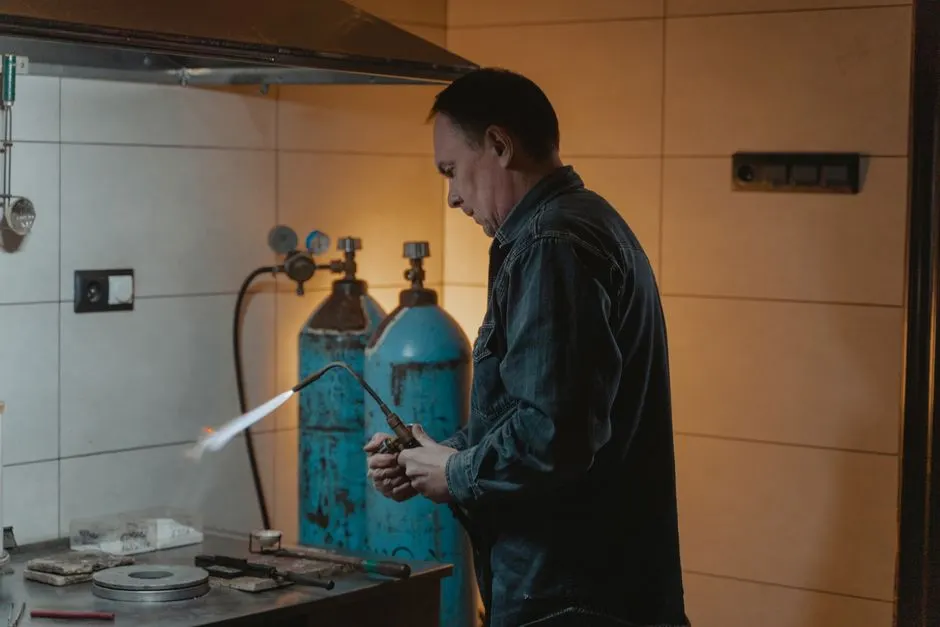
A skilled technician works with a welding torch in an industrial setting, highlighting craftsmanship.
Licensed Licensed & Bonded
Fully Insured Insured & Bonded
24/7 Emergency Same-Day Response
Warranty Backed Workmanship Guaranteed

What Our Gas Furnace Repair Includes

Every repair call includes a full diagnostic, a written quote before work begins, and a combustion safety check at the end. Parts and labor are covered by our warranty. If we find something outside the scope of the repair, we tell you and quote it separately so you can decide.

Full Diagnostic and Combustion Test

We test gas pressure with a manometer, check the igniter and flame sensor with a multimeter, verify the blower motor amp draw with a clamp meter, and run a combustion analyzer on the flue. You get the readings, not just a verdict.
Failed Part Replacement

Igniters, flame sensors, thermocouples, gas valves, capacitors, blower motors, and control boards are all in scope. We use OEM-spec parts and torque to manufacturer spec, then run the furnace through a full heat cycle to confirm the fix.

Heat Exchanger Inspection

We pull the inspection camera and check the heat exchanger for cracks on every repair where symptoms suggest it. A cracked exchanger is a CO risk, and we will tell you straight if the unit is unsafe to run.

Airflow and Filter Check

Restricted airflow causes short cycling and high-limit trips. We check the air filter, inspect the blower wheel, and confirm the return and supply are moving the CFM the unit needs. A clogged filter gets replaced on the spot.

Plenum and Duct Sealing

Loose plenum connections and leaky duct joints waste heat and can pull CO into the living space. We seal what we find with duct sealant as part of the repair, so the system you paid to fix actually delivers heat where it should.

What Gas Furnace Repair in Colorado Actually Involves


Gas Furnace Repair in Colorado is the diagnostic and mechanical work that restores a gas-fired heating system to safe, reliable operation, and it is needed the moment your furnace stops igniting, blows cold air, or short cycles. A proper repair starts with a full combustion check, not a guess. We test incoming gas pressure with a manometer, verify the igniter and flame sensor with a multimeter, and pull the blower motor and heat exchanger for inspection when the symptoms point there.

Colorado homes put furnaces through a specific kind of punishment. We run 6,000 to 8,000 heating degree days a year in most of the state, and the temperature swing between a 55-degree fall afternoon and a 5-degree January morning is brutal on igniters, thermocouples, and control boards. If your furnace is not igniting, making a banging noise, or tripping the breaker, that is usually a component that has been cycling hard for years. We see it in older Denver bungalows, mountain cabins near Dumont, and new builds out past Peyton.

What to Expect From Your Repair Call

No mystery, no waiting around all day. Here is exactly how a gas furnace fix Colorado call runs from the moment you pick up the phone to the moment your house is warm again.

01

Schedule

Call or book online — a real human picks up and confirms a 2-hour arrival window.

02

Diagnose

Licensed tech inspects on-site, then walks you through the cause and your options.

03

Fix

The job is completed to code and done right the first time — no shortcuts, no surprises.

04

Guarantee

Every job backed by a written workmanship warranty — and we stand behind it.

Tools and Methods We Use on Every Call

Tools & Equipment

Combustion analyzer

Measures flue gas oxygen, CO, and temperature to confirm the furnace is burning clean and venting safely after every repair.

Manometer

Tests incoming and manifold gas pressure, and verifies the correct setting for your altitude. Critical above 5,000 feet where most Colorado homes sit.

Multimeter and clamp meter

Checks igniter resistance, flame sensor microamps, blower motor amp draw, and capacitor health. This is how we find the actual failed component instead of guessing.

Inspection camera

Lets us look inside the heat exchanger for cracks without pulling the whole unit. A cracked exchanger is a carbon monoxide risk and a replacement call.

Vacuum gauge

Verifies inducer draft pressure and confirms the flue is pulling correctly, which matters on older Colorado homes with shared or undersized chimneys.

Thermostat and control diagnostics

We test Nest and Honeywell controls, check low-voltage wiring, and confirm the thermostat is actually calling for heat before we blame the furnace.

Methods & Standards

ACCA standards for airflow and temperature rise

We measure static pressure and temperature rise against the manufacturer's spec, not a rule of thumb. A furnace running outside its rated rise will short cycle and wear out parts early, so we correct airflow as part of the repair.

NATE-certified diagnostic sequence

Every call follows the same order: thermostat call, inducer, ignition, flame proving, blower, and combustion. Skipping steps is how techs miss a second fault and you end up with a callback.

EPA Section 608 and OSHA safety compliance

We handle refrigerants and gas appliances to EPA and OSHA standards, and we work under a Colorado HVAC license. Permits are pulled where local code requires them.

Manufacturer spec torque and parts

OEM-spec igniters, flame sensors, and gas valves, torqued to the manufacturer's number. Aftermarket parts are cheaper and fail faster, and we would rather not see you again next winter.

When to Call for Gas Furnace Repair

01

Your furnace quits on the first hard freeze of the season, usually in late October or early November.

What we do: We treat no-heat calls as priority dispatch. A tech arrives with igniters, flame sensors, and thermocouples on the truck, diagnoses the fault, and gets the burner firing the same day in most cases.

→ Heat restored the same day, with a combustion test to confirm the unit is running clean and safe before we leave.

02

You are at 7,000 feet in a mountain cabin and the furnace is short cycling or running rich.

What we do: Altitude above 5,000 feet changes the gas-to-air mix. We derate the burners, adjust the manifold pressure with a manometer, and verify the flame quality with a combustion analyzer.

→ A furnace that runs at the correct temperature rise and stops tripping the high limit, even at elevation.

03

Your CO detector goes off, or you smell gas near the furnace.

What we do: Shut the gas off and call us. We inspect the heat exchanger with a camera, test the flue draft, and run a CO reading on the supply air. If the unit is unsafe, we tell you and give you replacement options.

→ A clear safety verdict, a repair or replacement plan, and a home you can heat without worrying about carbon monoxide.

04

Your furnace is 15 years old and this is the third repair in two winters.

What we do: We give you the repair number and the replacement number side by side, along with the expected life left on the current unit. No pressure either way, just the math.

→ An informed decision on whether to repair or replace, with financing options if replacement makes more sense.

How Gas Furnace Repair Runs in Colorado

Colorado is not one climate, it is five. The Front Range swings from 60-degree fall days to single digits overnight, the mountains sit above 8,000 feet where gas pressure has to be derated, and the Eastern Plains around Fort Morgan and Brush get wind-driven cold that pushes furnaces harder than the temperature alone suggests. Building stock varies just as much: 1920s bungalows in Englewood with original ductwork, 1970s ranches in Littleton, new tight-built homes in Berthoud and Hudson, and cabins near Dumont and Ward running propane or natural gas at altitude. We size our repairs to the house, not a generic checklist. If you are searching for gas furnace repair near me in Denver Colorado or out in Kiowa, the process is the same: diagnose, quote, fix, and verify combustion before we leave.

Neighborhoods We Serve

  • Englewood

    Older housing stock with original ductwork and undersized returns. We see a lot of high-limit trips here from restricted airflow, and we fix the duct side, not just the switch.

  • Littleton

    Mix of 1970s ranches and newer builds. The older furnaces here are often on their second or third blower motor, and we keep the common ones on the truck.

  • Glenwood Springs

    High-altitude valley homes where gas pressure needs derating. We adjust manifold pressure and verify flame quality with a combustion analyzer on every call.

  • Fort Morgan

    Eastern Plains wind and cold drive long furnace run times. We check heat exchangers closely here because the units cycle hard through the winter.

  • Manitou Springs

    Older homes near the foothills with a mix of natural gas and propane. We confirm the fuel type and orifice size before quoting any repair.

Local Conditions We Plan For

  • Altitude above 5,000 feet across most of the state

    Gas pressure and burner air mix need derating. A furnace installed at low altitude will run rich, soot the heat exchanger, and short cycle until the manifold pressure is corrected.

  • Wide daily temperature swings on the Front Range

    Furnaces cycle on and off more often, which wears igniters and flame sensors faster. We see more ignition-related failures here than in steadier climates.

  • Long heating season from October through April

    Colorado furnaces run 2,000 to 3,000 hours a year in many homes. That is why annual service matters more here than in milder states.

  • Mixed fuel types, natural gas and propane

    Propane and natural gas need different orifices and pressures. We verify the fuel type before any repair so the furnace runs at the correct input rate.

No-Heat Call in Englewood, Same Day

Before

A 2009 Carrier furnace stopped igniting on a Friday night in January. The homeowner had no heat, a house at 52 degrees, and a space heater running in one room.

After

We replaced a failed igniter and cleaned a carboned-up flame sensor. The burner fired on the first call, and the temperature rise came back within spec at 42 degrees. Total time on site was 90 minutes.

Maintenance: We recommended a fall tune-up to catch the igniter before it failed and a fresh air filter every 90 days to keep airflow clean.

Before

A new high-efficiency furnace in a 6,000-foot home was short cycling every few minutes. The installer had left the manifold pressure at factory sea-level settings.

After

We derated the burners, set manifold pressure to the altitude-correct value, and adjusted the air mix. The furnace ran a full 15-minute cycle without tripping the high limit, and CO readings dropped to safe levels.

Maintenance: Annual combustion testing is the key here. Altitude settings do not drift, but a dirty heat exchanger or blocked flue will throw the readings off.

Before

A 14-year-old Rheem was tripping the breaker every time the blower kicked on. The homeowner was resetting the breaker three or four times a day to keep the heat running.

After

We tested the blower motor with a clamp meter, confirmed it was drawing well above rated amps, and replaced it along with the run capacitor. Amp draw came back to spec, and the breaker stopped tripping.

Maintenance: We set the homeowner up on a yearly maintenance plan to check amp draw and replace the filter, which is what killed the original motor.

Gas Furnace Problems We Fix Across Colorado

Most no-heat calls come down to a handful of failures, and we have seen all of them hundreds of times. Here is what we find, what happens if you ignore it, and how we fix it.

Problem

Furnace not igniting or pilot light out

No heat at all, and if the pilot will not stay lit, you may be dealing with a failed thermocouple or a gas valve issue that gets worse in cold weather.

Our Fix

We test the ignition sequence end to end, replace the failed igniter or thermocouple, verify gas pressure at the valve, and confirm the burner lights cleanly on the first call. Most igniter repairs finish in under two hours.

Problem

Furnace blowing cold air

The blower runs but the burner never fires, so you are paying to circulate cold air. This usually points to a flame sensor, a gas valve, or a control board fault.

Our Fix

We clean or replace the flame sensor, test the gas valve with a manometer, and check the control board for fault codes. Once the burner fires, we verify the temperature rise is within the manufacturer's spec.

Problem

Furnace short cycling or tripping the breaker

Frequent on-off cycles wear out the igniter and blower motor fast, and a tripping breaker can mean a failing blower motor or a wiring fault that is a fire risk.

Our Fix

We check the high-limit switch, test the blower motor with a clamp meter, and inspect the wiring and capacitor. Fixing the root cause stops the cycling and gets the unit back to normal run times.

Problem

Furnace making banging or rumbling noise

A banging noise on startup often means delayed ignition, where gas builds up before it lights. Left alone, that can crack the heat exchanger or worse.

Our Fix

We inspect the burners, clean the orifices, and check the gas pressure and ignition timing. If the heat exchanger is cracked, we show you the camera footage and give you repair and replacement options.

Problem

Furnace leaking water

On a high-efficiency condensing furnace, a clogged condensate drain or trap will shut the unit down. On a standard furnace, water usually means a blocked flue or a failing inducer.

Our Fix

We clear the condensate trap and drain line, check the flue for blockage, and test the inducer motor. We also verify the drain is pitched correctly so it does not back up again next season.

Why Colorado Homeowners Call Us First

Why Colorado Homeowners Call Us First

A furnace repair is only worth paying for if it holds. These are the four outcomes our customers actually care about, and the ones we build every call around.

  • Same-Day Heat Restored

    We dispatch same-day across most of the Front Range and schedule next-day service for mountain and Eastern Plains routes. Most repairs take two to four hours on site, and our trucks carry igniters, flame sensors, thermocouples, and common control boards so we finish in one trip instead of two.

  • Upfront Pricing, No Surprises

    You get the diagnosis and a flat quote before we touch a wrench. Typical 2026 gas furnace repair cost in Colorado runs $180 to $850 depending on the failed part, and we tell you which number you are looking at before we start. No hourly meter, no parts markup games.

  • Safety Checked, Not Assumed

    Every gas furnace service Colorado call ends with a combustion analyzer reading and a carbon monoxide test. If we find a cracked heat exchanger, we tell you straight and give you the repair and replacement numbers side by side. That is not a sales pitch, it is a safety call.

  • Repairs That Last the Season

    We use OEM-spec parts and torque to manufacturer spec, then run the furnace through a full heat cycle before we leave. If a repair fails inside our warranty window, we come back and make it right. Our work is warrantied, and our techs are NATE certified.

What Gas Furnace Repair Costs in Colorado

Honest numbers, no games. Typical 2026 gas furnace repair cost in Colorado runs $180 to $850, with most jobs landing between $350 and $450. What you pay depends on the failed part, how hard it is to reach, and whether the unit needs anything beyond the repair itself. We quote flat rates, not hourly, and the diagnostic fee is credited toward the repair when you approve the work. You will know the number before we pick up a wrench.

Typical Investment Range

$180 - $850 depending on the failed part and scope

A $400 repair on a furnace with years of life left is a much better deal than a $6,000 replacement you did not need. We give you the honest read on both, and we never push replacement when a repair will hold.

What changes the price

01

Which part failed

A flame sensor cleaning is a small job. A blower motor, control board, or gas valve replacement is a bigger one, and the part cost drives most of the difference. We tell you which one you are looking at after diagnosis.

02

Furnace age and brand

Parts for common brands like Carrier, Lennox, and Rheem are easy to source. Older or discontinued units can take longer and cost more, and we tell you upfront if a part has to be ordered.

03

Access and location

A furnace in a finished basement closet is a quick job. One in a tight attic or crawlspace takes longer, and mountain routes add drive time. We build that into the quote so there are no surprises.

04

Altitude and fuel type

Above 5,000 feet, the repair may include derating the burners and adjusting gas pressure. Propane systems need different orifices than natural gas, and we confirm the setup before quoting.

05

Related issues found during diagnosis

A cracked heat exchanger, a blocked flue, or a failing inducer changes the scope. We quote those separately and let you decide, rather than bundling them into the repair without asking.

06

Emergency vs. scheduled

After-hours and holiday calls carry a higher dispatch rate. Scheduled repairs during normal hours are the cheapest option, which is why we push fall tune-ups before the winter rush.

Licensed, Certified, and Verified

Licensed & Certified

  • NATE Certification — issued by North American Technician Excellence
  • EPA Section 608 Certification — issued by U.S. Environmental Protection Agency
  • Colorado HVAC License — issued by State of Colorado
  • OSHA Safety Compliance — issued by Occupational Safety and Health Administration
  • ACCA Standards Compliance — issued by Air Conditioning Contractors of America

Verified Reviews

Google ★★★★★4.9

Called at 7 a.m. with no heat and had a tech at the house by 10. He found a bad thermocouple, replaced it, and tested the whole system before leaving. Fair price, no upsell, and he explained everything in plain English.

Yelp ★★★★★4.8

We are in a mountain town and had a hard time getting anyone to come out. Furnace Pros scheduled us within two days and the tech knew exactly how to handle the altitude issue. Furnace has run perfectly all winter.

BBB ★★★★★4.9

Third repair on a 16-year-old furnace. They gave me the repair price and the replacement price side by side and did not push either. I went with the repair and it has held for two seasons. Honest company.

Google ★★★★★5.0

Blower motor died on a Sunday. They had someone out Monday morning with the right part on the truck. Two hours later we had heat. The tech also sealed a leaky plenum connection he found while he was in there.

Furnace Repair Experience You Can Verify

Our techs hold NATE certification and work under a Colorado HVAC license, and every one of them trains on combustion safety, EPA Section 608 refrigerant handling, and ACCA standards for load and airflow. We work on Lennox, Carrier, Trane, Goodman, Rheem, York, Bryant, American Standard, Amana, and Coleman equipment, plus Nest and Honeywell controls. That range matters in Colorado, where a single route can run from a 1970s gravity furnace in Englewood to a high-efficiency condensing unit in a new Berthoud build. We diagnose with tools, not guesses, and we document what we find.

  • NATE-certified technicians on every gas furnace repair call, no apprentices sent alone
  • Combustion analyzer and CO testing standard on every job, not an upsell
  • OEM-spec igniters, flame sensors, thermocouples, and gas valves stocked on the truck
  • Experience across Lennox, Carrier, Trane, Goodman, Rheem, York, and Bryant systems
  • Colorado HVAC license and OSHA safety compliance on every job site
Get Started Today
Furnace Repair Experience You Can Verify

Cities We Serve for Gas Furnace Repair in Colorado

We run gas furnace repair routes across the whole state, from the Western Slope to the Eastern Plains. Whether you are in a mountain town at 8,000 feet or a plains community dealing with wind-driven cold, you get the same NATE-certified tech and the same stocked truck. Here are a few of the communities we serve regularly.

Atwood

Rural homes and farmsteads around Atwood often run older furnaces on propane. We confirm fuel type and orifice size before any repair, and we stock the common parts for the brands we see out here.

Berthoud

Newer tight-built homes in Berthoud need proper airflow to run right. We check static pressure and temperature rise on every repair, and we seal duct connections that leak heat into unconditioned space.

Brush

Brush sits on the Eastern Plains where wind and cold push furnaces hard. We inspect heat exchangers closely here and recommend annual service to catch cracks before they become a CO problem.

Center

Center and the surrounding San Luis Valley sit above 7,500 feet. We derate burners and set gas pressure for altitude on every repair, then verify with a combustion analyzer before we leave.

Cortez

Cortez homes see cold winters and a mix of natural gas and propane systems. We carry the igniters, flame sensors, and thermocouples that fail most often in this climate and finish most repairs in one visit.

Dumont

Mountain homes around Dumont run at 8,000 feet and often on propane. Altitude derating and combustion testing are standard on every call, and we schedule with real drive time built in.

Englewood

Englewood has a lot of older housing stock with original ductwork. Restricted airflow causes high-limit trips and short cycling, so we check the return side and fix the airflow, not just the switch.

Fort Morgan

Fort Morgan furnaces run long hours through the plains winter. We check blower motor amp draw and heat exchanger condition on every repair, and we keep common parts on the truck for same-day fixes.

Glenwood Springs

Glenwood Springs sits in a valley at 5,700 feet where gas pressure needs altitude correction. We adjust manifold pressure and verify flame quality with a combustion analyzer on every repair call.

Hudson

Hudson is growing fast with new construction. New furnaces still fail, usually on igniters or flame sensors, and we stock both. We also check that the installer sized the unit and ductwork correctly.

Kiowa

Kiowa sits on the high plains where wind-driven cold stresses furnaces. We service gas and propane systems here and recommend a fall tune-up to catch failing parts before the first hard freeze.

Littleton

Littleton has a mix of 1970s ranches and newer builds. Older furnaces here are often on their second blower motor, and we keep the common replacements on the truck to finish in one trip.

Manitou Springs

Manitou Springs has older homes near the foothills with a mix of natural gas and propane. We verify fuel type and orifice size before quoting, and we check flue draft on every repair.

Morrison

Morrison homes sit at the edge of the foothills where temperature swings are wide. That cycling wears igniters and flame sensors faster, and we see more ignition-related no-heat calls here.

Peyton

Peyton is growing with new builds east of Colorado Springs. We handle warranty-safe repairs on new equipment and check that the furnace is sized and set up correctly for the altitude.

Frequently Asked Questions About Gas Furnace Repair

Real answers to the questions we hear most often from local homeowners and property managers.

How much does gas furnace repair cost in Colorado?
Most repairs run $180 to $850 in 2026, with the average landing around $350 to $450. A dirty flame sensor cleaning sits at the low end; a blower motor or control board replacement pushes toward the top. Diagnostic fees are quoted upfront, and we credit the diagnosis toward the repair when you approve the work.
Why is my gas furnace not working in Colorado?
The four most common causes we find are a dirty flame sensor, a failed igniter, a bad thermocouple, and a tripped high-limit switch from restricted airflow. In Colorado, altitude above 5,000 feet also throws off gas pressure and burner air mix, so a furnace that ran fine at sea level may need derating. We test all of it on site.
Is it safe to repair a gas furnace myself in Colorado?
No. Gas appliance work in Colorado requires a licensed HVAC contractor and a permit in most jurisdictions, and the real risk is carbon monoxide from a heat exchanger crack or a bad flue connection you cannot see. A combustion analyzer and CO test are the only way to confirm the unit is safe after a repair.
How often should a gas furnace be serviced in Colorado?
Once a year, ideally in early fall before the first hard freeze. Colorado furnaces run hard from October through April, and an annual tune-up catches a failing igniter or dirty flame sensor before it strands you on a cold night. We also check gas pressure, clean the burners, and verify the heat exchanger.

Related Services

Furnace Repair

Our core furnace repair service covers gas, electric, and high-efficiency systems. If your unit is blowing cold or short cycling, this is the call to make. We diagnose and fix the fault, then verify the whole system runs a clean heat cycle before we leave.

View Furnace Repair

Furnace Installation

When a repair is not the answer, we install new furnaces sized to your home with a proper ACCA load calculation. We handle the permit, the gas connection, and the startup, and we walk you through the thermostat setup before we go.

View Furnace Installation

Furnace Replacement

If your furnace is past 15 years or has a cracked heat exchanger, replacement usually beats another repair. We haul the old unit, install the new one, and dispose of the old equipment. Most replacements finish in a single day for standard setups.

View Furnace Replacement

Furnace Tune-Up

A fall tune-up cleans the flame sensor, checks the igniter, tests gas pressure, and verifies the heat exchanger. It is the cheapest way to avoid a mid-winter breakdown. We recommend booking it in September or early October before the rush.

View Furnace Tune-Up

Furnace Maintenance

Ongoing maintenance keeps your furnace running at its rated efficiency and extends its life. We set a yearly reminder, track the parts we have replaced, and flag anything trending toward failure so you can plan the repair instead of reacting to it.

View Furnace Maintenance

Emergency Furnace Repair

No heat at 2 a.m. in January is an emergency, and we treat it like one. Our 24/7 dispatch covers most of Colorado, and we prioritize homes with young kids, elderly residents, or no backup heat. Call and we will get a tech moving.

View Emergency Furnace Repair

Get Your Gas Furnace Repair in Colorado Today

No heat is not something to sleep on in a Colorado winter. Call Furnace Pros Colorado at (833) 588-3896 and we will get a NATE-certified tech to your door, usually the same day. Upfront pricing, OEM parts, and a repair that is warrantied.

Call Now Book a Repair

Get In Touch With Us

Call (833) 588-3896 any time, day or night. A live dispatcher answers, asks what your furnace is doing, and gives you a real arrival window. For non-emergency tune-ups and installs, email us and we'll get back to you the same business day.

Furnace Pros Colorado


  • Address

    Colorado

  • Hours

    Mon–Fri: 7AM – 7PM
    Sat: 8AM – 4PM
    Sun: Emergency Only
    24/7 Emergency Available

Call (833) 588-3896 Get Quote
Call Quote