
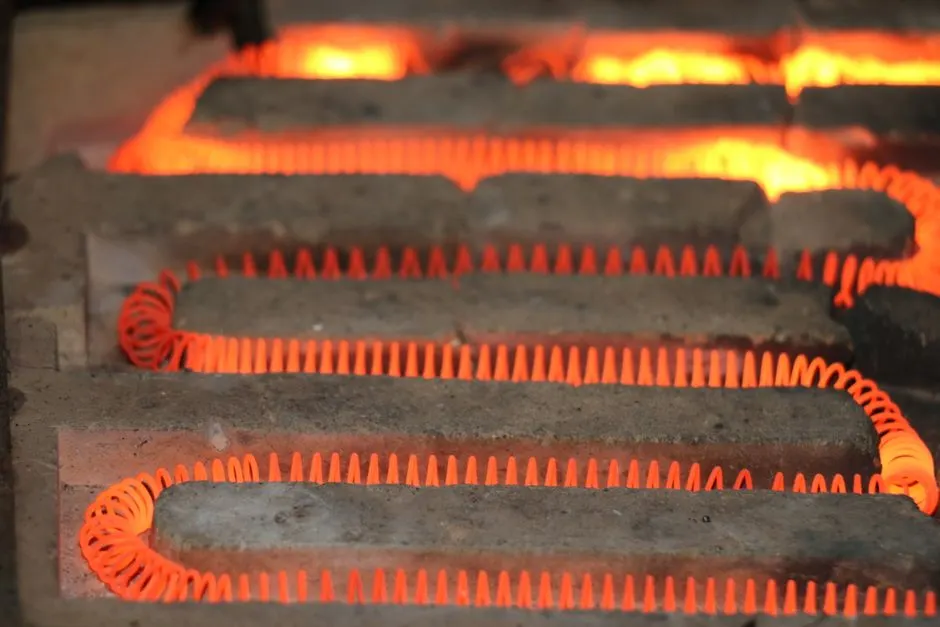
Full Electrical Diagnostic
We test voltage and amp draw at the disconnect, check the low-voltage circuit and thermostat signal, and inspect the sequencer, limit switches, and control board. You get a written finding, not a vague explanation.
Every electric furnace repair visit includes a full diagnostic, upfront pricing, and a tested repair before we leave. Here's what's covered as standard, and what we quote separately if your system needs it.
We test voltage and amp draw at the disconnect, check the low-voltage circuit and thermostat signal, and inspect the sequencer, limit switches, and control board. You get a written finding, not a vague explanation.
Each element gets checked for continuity and resistance against spec. Shorted or open elements are identified by position, so you know exactly which one failed and why it failed.
We check the blower wheel for debris, measure motor amp draw, and test the capacitor. A blower pulling too many amps is a common cause of breaker trips, and it's cheaper to catch early.
A clogged air filter starves airflow and overheats elements. We replace it with the correct size and note the dimensions on your invoice so you can pick up spares at any hardware store.
After the repair, we run the furnace through a complete heat cycle and re-check amp draw against the nameplate. We don't call the job done until the blower ramps, the limit switches hold, and the air at the register is actually warm.
Electric Furnace Repair in Colorado is the diagnosis and correction of faults in an electric forced-air heating system, including heating elements, sequencers, limit switches, blower motors, control boards, and the high-voltage circuits that feed them. Unlike a gas furnace, there's no flame to watch, so the failure usually shows up as cold air, a breaker that trips, or a unit that short cycles. We test each circuit under load with a clamp meter, check the thermostat and low-voltage wiring, and pull the blower assembly when airflow is the problem.
Most calls we run in Colorado start the same way: the furnace runs but the air is cool, or the breaker trips every time the heat kicks on. Altitude changes how these systems shed heat, and older homes in mountain towns often have undersized circuits feeding a replacement furnace. If you've searched electric furnace repair near me in Colorado Springs at 10 p.m. with kids in the house, you already know why speed matters. We stock common elements, sequencers, and blower motors on the truck so most repairs finish in one trip.
No mystery, no runaround. Here's exactly what happens from the moment you call until the heat is back on and tested.
Schedule
Call or book online — a real human picks up and confirms a 2-hour arrival window.
Diagnose
Licensed tech inspects on-site, then walks you through the cause and your options.
Fix
The job is completed to code and done right the first time — no shortcuts, no surprises.
Guarantee
Every job backed by a written workmanship warranty — and we stand behind it.
Clamp Meter
Measures actual amp draw on heating elements and blower motors so we can compare it to the nameplate rating and find faults that only show up under load.
Multimeter
Checks voltage, continuity, and resistance across elements, sequencers, limit switches, and low-voltage thermostat circuits. The workhorse for electric furnace diagnosis.
Inspection Camera
Lets us look inside duct runs and plenum connections without cutting into drywall, so we can spot blockages, disconnected runs, and leaks.
Manometer
Reads static pressure in the duct system. High static pressure starves airflow and overheats elements, and it's a common problem in older Colorado homes with undersized returns.
Thermostat Test Kit
Verifies that Nest, Honeywell, and other thermostats are sending the correct call for heat. A miswired or failing thermostat can mimic a furnace fault.
Vacuum Gauge
Used on any refrigerant-circuit components we service, confirming proper evacuation before recharge and protecting the compressor from moisture.
ACCA Manual J Load Verification
Before recommending a replacement, we verify the heating load against ACCA standards. A furnace oversized for the space short cycles and wears out faster, and this check prevents that mistake.
NATE-Certified Diagnostic Sequence
Our techs follow the NATE diagnostic sequence: power, control signal, component test, load test. It's systematic, so nothing gets skipped and you don't pay for parts that weren't the problem.
Amp-Draw Comparison Testing
Every repair ends with an amp-draw reading compared to the nameplate. If the numbers don't match spec, the job isn't done. This catches partial failures that would otherwise come back in a month.
OSHA Lockout/Tagout at the Disconnect
Electric furnaces run on 240 volts, and we lock out the circuit before opening the cabinet. It's a safety standard, not a formality, and it protects both our tech and your home.
01
What we do: Call (833) 588-3896 and we dispatch the nearest available tech with priority. We triage on the phone, load the likely parts, and give you a real ETA so you can plan around it.
→ Most emergency calls have heat restored within 3 to 5 hours of the call, even on weekends and holidays.
02
What we do: We run a full amp-draw test on each element and the blower motor, then inspect the disconnect lugs for corrosion or looseness. Intermittent trips almost always have a physical cause we can find.
→ You get a diagnosed fault, a repaired circuit, and no more surprise breaker trips in the middle of the night.
03
What we do: We do a full diagnostic, document the findings, repair what's failed, and provide a written summary you can hand to the buyer or their agent. We can also pull a permit if the repair requires inspection.
→ The furnace passes re-inspection, and the sale moves forward without a repair credit negotiation.
04
What we do: We give you both numbers: the cost to repair now and the cost to replace with a correctly sized unit. No pressure either way, and we'll tell you which makes more sense for your situation.
→ You make the call with real numbers in front of you, not a sales pitch.
Colorado's climate puts electric furnaces through a specific kind of stress. Winter nights swing 40 degrees between afternoon and 3 a.m., so the furnace cycles hard, and elements that were marginal in October fail in December. At higher elevations, thinner air moves less heat per cubic foot, so elements run longer and pull closer to their rated amps. Older mountain towns like Central City and Nederland have housing stock from the mining era, often with undersized electrical panels feeding a modern furnace, and that mismatch is behind a lot of the breaker trips we see. Along the Front Range, new construction in Erie and Fountain uses tighter envelopes and different duct layouts, which changes airflow requirements. We adjust our diagnostics to the altitude and the building, not a generic checklist. If you need emergency electric furnace repair in Boulder Colorado or anywhere else in the state, we'll get a tech rolling with the right parts.
Golden
Mix of older brick homes near downtown and newer builds up the hillside. Older panels here often need a load check before we add any electrical load.
Fountain
Fast-growing south of Colorado Springs, with a lot of 1990s and 2000s construction. Duct sizing varies widely between subdivisions, so we check static pressure on every call.
Nederland
High-altitude mountain town where furnaces work harder in thinner air. We set airflow and element staging with altitude in mind, not sea-level specs.
Erie
Newer master-planned neighborhoods with tight envelopes. These homes need correct airflow settings or the furnace short cycles and wears out early.
High-altitude operation above 7,000 feet
Thinner air reduces heat transfer, so elements run longer and closer to their amp limit. We verify amp draw against altitude-adjusted expectations, not just the nameplate.
Wide day-night temperature swings in winter
Rapid cycling stresses sequencers and limit switches. We inspect both on every repair call and flag ones that are close to failing.
Older housing stock with undersized electrical service
Mining-era and mid-century homes often have 100-amp panels feeding a furnace that wants more. We check the circuit capacity before recommending any repair that increases load.
Dry air and static buildup in heated homes
Low humidity increases dust circulation, which clogs filters faster and coats elements. We recommend filter changes every 60 to 90 days during heating season.
These are the calls we run most often, and each one has a known diagnostic path. If your furnace is doing any of these, don't wait for it to get worse.
Problem
The blower runs but no heat reaches the rooms, so the house gets colder while the system burns electricity for nothing.
Our Fix
We test each heating element for continuity and check the sequencer that stages them on. A failed sequencer or a single open element is usually the cause, and both are same-visit repairs with parts we carry on the truck.
Problem
Repeated breaker trips stress the panel, can damage the wiring, and leave you with no heat until the fault is found.
Our Fix
We use a clamp meter to measure actual amp draw against the nameplate, then isolate the fault to a shorted element, a failing blower motor, or a loose lug. Fixing the cause stops the trips and removes the fire risk.
Problem
Short cycles wear out the sequencer and limit switches, spike your electric bill, and never let the house reach temperature.
Our Fix
Short cycling usually traces to a clogged air filter, a failing limit switch, or a thermostat that's misreading room temp. We check all three, replace the air filter, and calibrate or replace the thermostat as needed.
Problem
Without the blower, heat builds up in the cabinet and the limit switch shuts the system down, so you get nothing at the registers.
Our Fix
We test the motor capacitor first, since a $40 capacitor often mimics a dead motor. If the motor itself is gone, we pull the assembly, match the replacement to the original specs, and rewire it before testing.
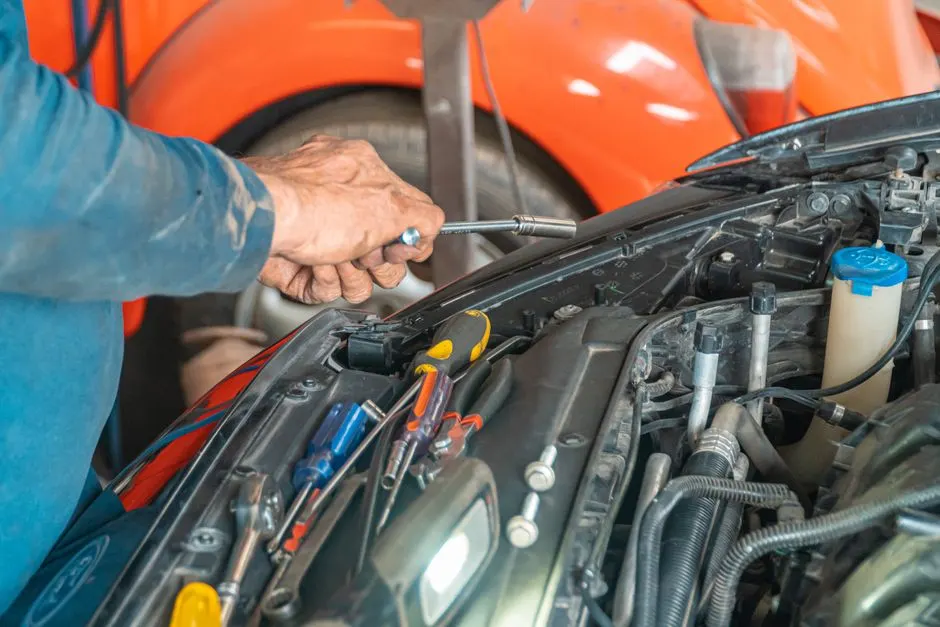
Electric furnaces fail in predictable ways, and the fix is usually faster and cheaper than homeowners expect. Here's what you get when you call us instead of waiting it out.
Same-Day Heat Restored
We schedule same-day electric furnace service Colorado calls whenever the route allows, and we carry the parts that fail most: heating elements, sequencers, capacitors, and blower motors. Most repairs are done in 2 to 4 hours, so you're not sleeping in a 52-degree house waiting on a backordered part.
Breaker Trips Diagnosed Correctly
A furnace tripping breaker is a symptom, not a diagnosis. We use a clamp meter to measure actual amp draw against the nameplate rating, then trace the fault to a shorted element, a failing blower motor, or a loose lug. Guessing here burns through breakers and can start a fire.
Honest Repair-or-Replace Advice
If your unit is 18 years old and the heat exchanger or control board is gone, we'll tell you straight instead of selling you a repair that won't last the winter. If a $240 sequencer gets you five more seasons, that's the recommendation you'll get.
Altitude-Aware Tune-Up Included
Every electric furnace fix Colorado visit ends with a static pressure check, a clean or replaced air filter, and a thermostat calibration. At 6,000 to 9,000 feet, airflow and element cycling behave differently, and small adjustments here prevent the next breakdown.
Typical 2026 pricing for electric furnace repair in Colorado runs $180 to $650, with most jobs landing around $320. The diagnostic fee is disclosed when you book and applied toward the repair if you approve the work. Heating element replacement usually runs $250 to $500. Blower motor replacement runs $450 to $900. Control board replacement runs $400 to $800. Emergency and after-hours calls add a trip premium, and we tell you that number before we dispatch. You approve the total before any work starts.
Typical Investment Range
$180 - $900 depending on the failed component and timing
A $320 repair that gets you five more winters out of a working furnace beats a $6,000 replacement you didn't need. We quote the repair honestly and tell you when replacement is the better financial call.
What changes the price
Failed Component Type
A sequencer or capacitor is a quick, low-cost fix. A blower motor or control board takes longer and costs more in parts. We identify the failed component during diagnosis and quote the exact repair.
Furnace Age and Model
Parts for older or discontinued models can be harder to source and cost more. If your unit is 15 years or older, we'll also give you a replacement number so you can compare.
Access and Location
A furnace in a tight closet or attic takes longer to work on than one in an open basement. We factor access into the quote upfront, not as a surprise line item.
After-Hours Timing
Nights, weekends, and holidays carry a trip premium because we're pulling a tech off a scheduled route. The premium is flat and disclosed before dispatch, not a percentage of the repair.
Additional Faults Found
Sometimes a repair reveals a second issue, like a failing limit switch alongside a bad element. We quote the additional repair separately and you decide whether to do it now or schedule it.
Google ★★★★★4.9
Fast, honest, and they had the part on the truck. Our electric furnace died on a Friday night and they had heat back by Saturday morning. The tech explained what failed and showed me the old element. Price matched the quote exactly.
Yelp ★★★★★4.8
We'd been told we needed a full replacement by another company. These guys found a bad sequencer, replaced it for a fraction of the cost, and the furnace has run perfectly all winter. Saved us thousands.
BBB ★★★★★4.9
Professional from the first phone call. Gave us a real ETA, showed up on time, and diagnosed the problem in under an hour. No pressure, no upselling, just a straight answer and a fair price.
Our technicians work on Lennox, Carrier, Trane, Goodman, Rheem, York, Bryant, American Standard, Amana, and Coleman electric furnaces every week, from 1970s units in older Denver neighborhoods to modern air handlers in new builds. We hold NATE certification and follow ACCA standards for airflow and load testing. Because we run calls statewide, we've seen how the same furnace model behaves differently at 5,200 feet in Fountain and 8,200 feet in Nederland. That pattern recognition shortens diagnosis and keeps you from paying for parts you don't need.
We cover electric furnace repair Colorado-wide, from the Eastern Plains to the foothills and into the high country. Whether you're in a small town or a Front Range suburb, the same NATE-certified techs and the same parts-stocked trucks show up at your door.
Small-town calls north of Greeley get the same same-day scheduling as metro jobs. We stock elements and sequencers for the older furnaces common in Ault's housing stock.
Mountain-valley homes west of Pueblo deal with wide temperature swings that stress sequencers. We test staging on every Beulah call and flag weak components before they fail.
Remote foothills properties here often have long driveways and older electrical service. We confirm circuit capacity before recommending any repair that adds load.
Historic mining-era homes in Central City frequently have undersized panels feeding modern furnaces. We check the circuit and the panel before we touch the furnace.
Arkansas River valley homes see cold nights and hard furnace cycling. We carry blower motors and capacitors sized for the units common in this area.
Just north of Brighton, Dupont's mix of older and newer homes means we check duct sizing and static pressure on every call, not just the furnace itself.
Newer Erie neighborhoods have tight building envelopes that change airflow needs. We set blower speeds and verify static pressure to prevent short cycling.
Fast-growing Fountain has a wide range of duct layouts between subdivisions. We measure static pressure and check element staging on every repair.
From downtown brick homes to hillside builds, Golden furnaces face different loads. We check panel capacity on older homes before recommending any electrical repair.
Rural Boulder County properties around Hygiene often run on older equipment. We diagnose thoroughly and give honest repair-or-replace numbers.
Small Eastern Plains community where we schedule same-day service whenever the route allows. Parts for common electric furnaces ride on every truck.
Foothills homes northwest of Fort Collins see hard winters. We test limit switches and sequencers on every Livermore call to catch wear early.
Lower Arkansas Valley town where cold snaps hit fast. We prioritize emergency calls here and carry the elements and motors that fail most often.
At over 8,000 feet, Nederland furnaces work in thin air and run longer cycles. We adjust diagnostics for altitude and verify amp draw against adjusted specs.
Yampa Valley homes near Phippsburg deal with deep cold and heavy cycling. We stock sequencers and blower motors for the units common in this area.
Real answers to the questions we hear most often from local homeowners and property managers.
Our general furnace repair covers gas and electric systems, so if your unit turns out to be a hybrid or you're not sure what you have, we diagnose it either way. Same techs, same trucks, same upfront pricing.
View Furnace RepairWhen a repair no longer makes sense, we install new electric furnaces sized to your home's actual load, not a guess. We handle the permit, the electrical disconnect, and the first heat cycle test before we leave.
View Furnace InstallationReplacement means pulling the old unit, disposing of it, and setting a new one on a level pad with correct clearances. We match the new furnace to your existing ductwork and plenum so airflow stays where it should.
View Furnace ReplacementA fall tune-up catches failing sequencers and dirty elements before they strand you in January. We test amp draw, tighten lugs, check limit switches, and replace the air filter. Most tune-ups take about an hour.
View Furnace Tune-UpOngoing maintenance keeps your electric furnace running at its rated efficiency. We schedule annual visits, track part wear, and flag components that are close to failing so you can plan the cost instead of reacting to it.
View Furnace MaintenanceNo heat at 2 a.m. is an emergency, and we treat it like one. Emergency calls get priority dispatch statewide, 24/7, including holidays. Call (833) 588-3896 and we'll give you a real ETA.
View Emergency Furnace RepairCall (833) 588-3896 any time, day or night. A live dispatcher answers, asks what your furnace is doing, and gives you a real arrival window. For non-emergency tune-ups and installs, email us and we'll get back to you the same business day.
Phone
(833) 588-3896Address
Colorado
Hours
Mon–Fri: 7AM – 7PM
Sat: 8AM – 4PM
Sun: Emergency Only
24/7 Emergency Available