
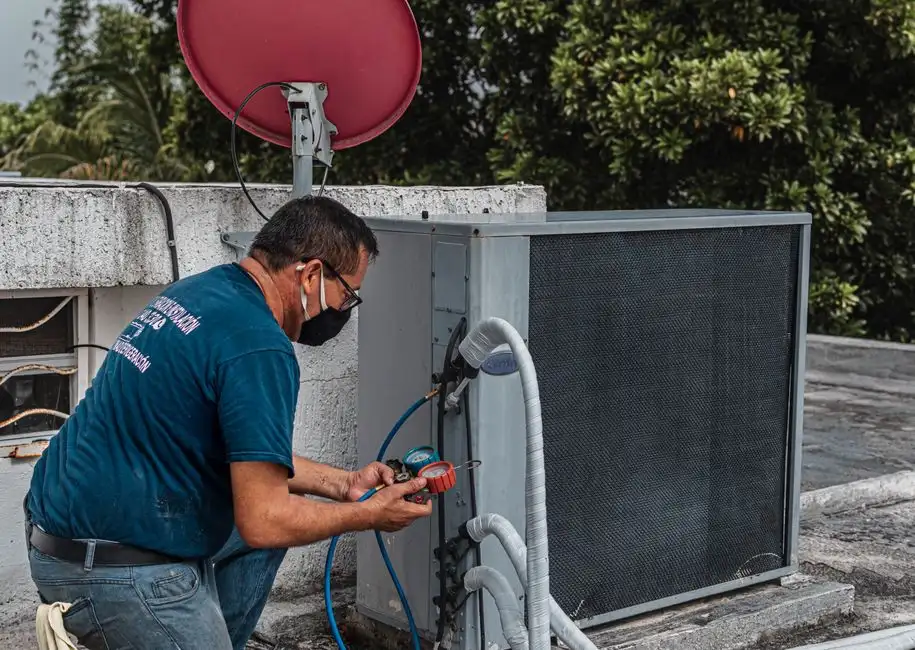
Full Diagnostic Inspection
We inspect the heat exchanger with a camera, test the flame sensor and igniter, check the gas valve, and measure blower motor amp draw. This takes 20-30 minutes and finds the root cause, not just the symptom.
Every repair visit covers a full diagnostic, the fix itself, and a verification test. We don't just swap the part that looks bad. We confirm the whole system is running right before we leave. Here's what's included in a standard repair call.
We inspect the heat exchanger with a camera, test the flame sensor and igniter, check the gas valve, and measure blower motor amp draw. This takes 20-30 minutes and finds the root cause, not just the symptom.
We measure CO, CO2, and stack temperature at the flue. At Colorado altitude, we adjust gas pressure to match your elevation. This confirms the furnace is burning clean and safe.
We replace the failed component with an OEM or equivalent part. Common repairs include flame sensors, igniters, thermocouples, capacitors, gas valves, and control boards. Most parts are on the truck.
We clear the condensate trap and drain line, check the slope, and verify freeze protection. A clogged or frozen condensate line is one of the most common causes of condensing furnace failure in Colorado.
After the repair, we run a full heat cycle and measure the temperature rise against the data plate. If it's off, we adjust airflow or gas pressure until it's in spec.
You get a written summary of what failed, what we replaced, and the part number. If the part is under manufacturer warranty, we note that so you have it for your records.
High-Efficiency Furnace Repair in Colorado is the diagnostic and mechanical work required to restore a condensing furnace to its rated performance. These units squeeze extra heat from exhaust gas by condensing water vapor, which means they run cooler, use PVC venting, and produce acidic condensate that must drain correctly. When something fails, it's usually one of a handful of components: a dirty flame sensor, a failing igniter, a clogged condensate trap, a weak blower motor capacitor, or a cracked heat exchanger. We test each with a combustion analyzer and multimeter before we quote a repair.
Colorado homes put condensing furnaces through a specific kind of stress. Winter design temperatures swing from 20°F on the Eastern Plains to -15°F in the high country, and altitude above 6,000 feet changes the air-fuel ratio enough that a furnace tuned for sea level will run rich and soot up. If you're searching for high efficiency furnace repair near me in Denver Colorado, you're probably dealing with short cycling or a furnace blowing cold air. We see the same failures in mountain cabins and suburban ranches, and we carry the parts to fix them on the first visit.
No guesswork, no parts-cannon approach. Here's exactly what happens from your first call to the final combustion test.
Schedule
Call or book online — a real human picks up and confirms a 2-hour arrival window.
Diagnose
Licensed tech inspects on-site, then walks you through the cause and your options.
Fix
The job is completed to code and done right the first time — no shortcuts, no surprises.
Guarantee
Every job backed by a written workmanship warranty — and we stand behind it.
Combustion Analyzer
Measures CO, CO2, and stack temperature at the flue. We use it to verify the furnace is burning clean and to adjust gas pressure for Colorado altitude.
Multimeter and Clamp Meter
Tests flame sensor microamps, igniter resistance, and blower motor amp draw. These readings tell us which component has failed before we replace anything.
Manometer
Measures static pressure and gas valve pressure. We use it to check ductwork restriction and verify the gas valve is set to the data plate spec.
Inspection Camera
Lets us see inside the heat exchanger without pulling the furnace. We use it to check for cracks that would leak carbon monoxide into your home.
Vacuum Gauge
Checks for restrictions in the condensate drain and venting. A clogged line is one of the most common causes of condensing furnace failure.
Thermostat Test Equipment
We verify thermostat call signals on Nest and Honeywell units. A faulty thermostat can mimic a furnace fault and send you chasing the wrong part.
NATE-Certified Diagnostics
Our technicians hold NATE certification, which means they've passed industry testing on furnace diagnostics and repair. We follow a step-by-step diagnostic sequence instead of guessing at parts.
ACCA Standards for Airflow
We measure static pressure and verify airflow against ACCA standards. Correct airflow prevents short cycling, cracked heat exchangers, and premature blower motor failure.
EPA Section 608 Compliance
We follow EPA Section 608 rules for handling refrigerants and combustion byproducts. That keeps our work legal and your home safe.
OSHA Safety Compliance
Every job follows OSHA safety compliance, from lockout procedures to carbon monoxide testing. We treat your home like a job site and leave it clean.
Colorado HVAC License
We work under a Colorado HVAC license and pull local building permits when the job requires it. That protects you if anything goes wrong and keeps your warranty valid.
01
What we do: We diagnose the flame sensor, igniter, and gas valve on a same-day visit. Most cold-air calls trace back to a dirty sensor or a failed igniter, both of which we carry on the truck.
→ You get heat back the same day, usually within two to three hours of our arrival.
02
What we do: We check the air filter, measure static pressure, and test the high-limit switch. If the furnace is oversized or the ductwork is restricted, we adjust airflow and verify the temperature rise.
→ The furnace runs full cycles instead of bursts, and your gas usage drops back to normal.
03
What we do: We clear the frozen line, check the trap, and verify the drain slope. If the line runs through a cold space, we add freeze protection or reroute it.
→ The condensate drains properly and won't freeze again, keeping your floor dry and the furnace running.
04
What we do: Banging usually means delayed ignition, where gas builds up before the burner lights. We test the igniter, gas valve, and burner alignment, then correct the fault before it cracks the heat exchanger.
→ The furnace lights smoothly and quietly, and you avoid a costly heat exchanger replacement.
Colorado is hard on condensing furnaces. The temperature swings from 20°F on the Eastern Plains to -15°F in the high country, and altitude above 6,000 feet changes the air-fuel ratio enough that a furnace tuned for sea level runs rich. That's why we carry a combustion analyzer on every truck and set gas pressure for your elevation. We also see condensate lines freeze in unheated crawlspaces and vent pipes undersized for the altitude. If you've searched for high efficiency furnace repair near me in Denver Colorado, you're probably dealing with short cycling or a furnace blowing cold air. We see the same failures in mountain cabins and suburban ranches, and we carry the parts to fix them on the first visit. Whether you're in a 1920s Denver bungalow with a retrofitted condensing unit or a new build in the mountains, we know what your furnace needs.
Denver Metro
Older homes in Denver often have retrofitted condensing furnaces with undersized venting. We correct the venting and tune combustion for the 5,280-foot elevation.
Front Range Suburbs
Newer builds in Aurora, Lone Tree, and Niwot often have high-efficiency furnaces with PVC venting that runs through cold attics. We check for freeze protection on every call.
Mountain Communities
At 8,000 feet and above, furnaces need altitude-specific gas pressure settings. We adjust on-site and verify with a combustion analyzer.
Eastern Plains
Homes in Byers, Sterling, and Weldona see wider temperature swings and wind-driven dust that clogs filters fast. We check filter condition and airflow on every repair.
Altitude above 6,000 feet
Lower air density means the furnace runs rich unless gas pressure is adjusted. We set pressure to the data plate spec for your elevation and verify with a combustion analyzer.
Freeze-thaw condensate cycles
Condensate lines that run through unheated spaces freeze and block. We clear the line, check the slope, and add freeze protection or reroute the drain.
Dry air and dust on the plains
Dust clogs air filters and flame sensors faster on the Eastern Plains. We clean the sensor and check filter condition at every repair visit.
Older housing stock in Denver
Retrofitted condensing furnaces in older homes often have undersized venting and ductwork. We measure static pressure and correct airflow restrictions.
Condensing furnaces fail in predictable ways. Here are the problems we see most often on Colorado service calls, and what happens if you ignore them.
Problem
A furnace blowing cold air usually means the flame sensor is dirty or the igniter has failed. The blower runs but the burner never lights. You pay for electricity and get nothing.
Our Fix
We clean or replace the flame sensor, test the igniter resistance, and verify the gas valve opens. Most cold-air calls are fixed in under two hours with a sensor cleaning or igniter swap.
Problem
Short cycling runs the furnace in 3-minute bursts, which stresses the heat exchanger and wastes gas. It's often caused by a clogged air filter, a failing high-limit switch, or oversized capacity.
Our Fix
We check the air filter, measure static pressure, and test the high-limit switch. If the furnace is oversized, we adjust airflow or recommend a replacement sized to your home and altitude.
Problem
Condensing furnaces produce water, and a clogged condensate trap or a frozen drain line sends that water onto your floor. It can damage the furnace cabinet and create a slipping hazard.
Our Fix
We clear the trap and drain line, check the slope, and add freeze protection if the line runs through an unheated space. We also verify the vent pipe slopes back to the unit as code requires.
Problem
A furnace that trips the breaker has an electrical fault, often a failing blower motor or a shorted control board. Resetting the breaker repeatedly can damage the motor and the board.
Our Fix
We test the blower motor with a clamp meter, inspect the control board for burn marks, and check the wiring. We replace the failed component and verify the amp draw is within spec before we leave.
Problem
A furnace that won't ignite leaves you with no heat. Causes include a failed igniter, a stuck gas valve, a faulty pressure switch, or a blocked vent. At altitude, undersized venting makes this worse.
Our Fix
We test the igniter, gas valve, and pressure switch in sequence. We also check the vent pipe for blockages and verify it's sized for your altitude. Most ignition faults are fixed in one visit.
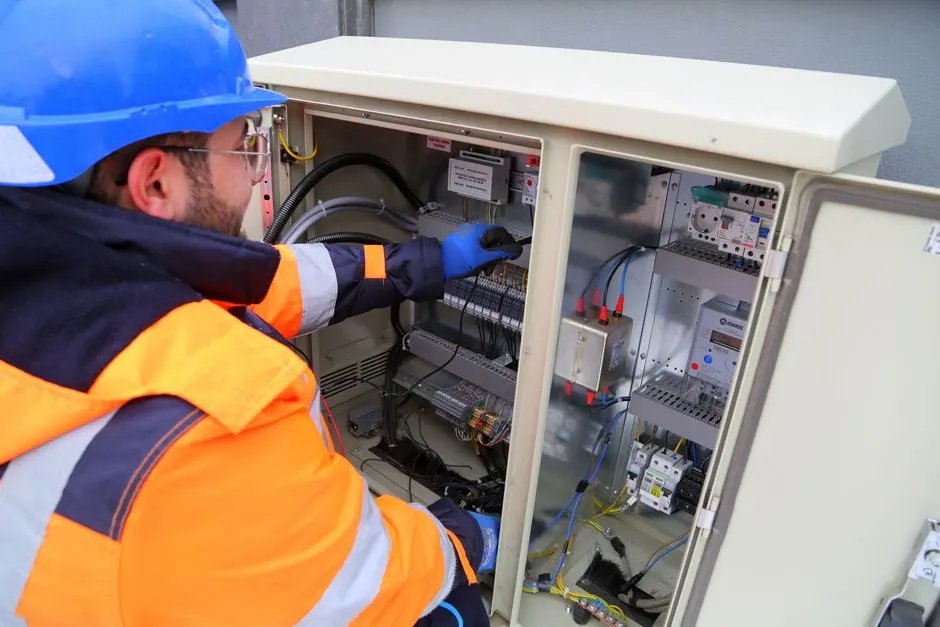
A failed condensing furnace isn't just uncomfortable. It wastes gas, stresses the heat exchanger, and can trip your breaker at 2 a.m. Here's what proper repair gets you.
Restored 95% AFUE Efficiency
A furnace running with a dirty flame sensor or a partially blocked condensate line can lose 10-15% of its rated efficiency. We clean or replace the sensor, clear the trap, and verify combustion with a digital analyzer. You get back the gas savings you paid for when you bought a high-efficiency unit.
Fewer Emergency Breakdowns
Most no-heat calls trace back to a component that gave warning signs weeks earlier. We test the igniter resistance, blower motor amp draw, and gas valve operation during every repair. Catching a weak capacitor before it fails saves you a midnight emergency call in January.
Longer Heat Exchanger Life
Short cycling and restricted airflow crack heat exchangers. We measure static pressure and verify the plenum and duct sizing meet ACCA standards. A furnace that runs full, even cycles instead of 3-minute bursts can add years to the exchanger and keep carbon monoxide out of your home.
Code-Correct Venting and Condensate
Condensing furnaces use PVC flue pipe that must slope back to the unit, and the condensate drain must be trapped and freeze-protected. We correct sloppy installs that let water pool in the vent or freeze in an unheated crawlspace. That's the difference between a repair that lasts and one that fails in February.
We quote a flat price before we start work, so you know the number up front. Typical 2026 repairs in Colorado run $180 to $650 depending on the part and labor. A flame sensor cleaning is on the low end. A blower motor or control board replacement sits at the top. Diagnostic fees are credited toward the repair if you approve the work. We don't charge extra for altitude tuning or combustion analysis. Those are part of every repair.
Typical Investment Range
$180 - $650 depending on part and labor
A $400 repair on a furnace with years of life left beats a $6,000 replacement. We inspect the heat exchanger first. If it's sound, repairing is the right call. If it's cracked, we tell you straight and walk you through replacement options.
What changes the price
Failed Component
A flame sensor or igniter is inexpensive and quick to replace. A blower motor, control board, or gas valve costs more in parts and labor. We tell you the price before we start.
Access and Location
A furnace in a tight closet or a crawlspace takes longer to work on than one in an open basement. We factor access into the quote so there are no surprises.
Altitude Tuning
At altitude, the gas valve needs adjustment and combustion needs verification. We include this in every repair at no extra charge. It's part of doing the job right.
Parts Availability
We stock common parts for Lennox, Carrier, Trane, Goodman, Rheem, York, Bryant, American Standard, Amana, and Coleman furnaces. If a part needs to be ordered, we tell you the lead time.
Warranty Status
If the failed part is still under manufacturer warranty, you pay only labor. We check the warranty status before we quote and register the part on your behalf.
Google ★★★★★4.9
Fast, honest, and they know condensing furnaces. Our Trane was short cycling and they found a clogged condensate trap in 20 minutes. Fixed it the same visit. Fair price and no upsell.
Yelp ★★★★★4.8
We're at 7,000 feet and our furnace was running rich. These guys brought a combustion analyzer and adjusted the gas valve on-site. Two other companies missed it. Worth every penny.
BBB ★★★★★4.9
Called at 7 a.m. with no heat. Technician was here by 10 a.m., found a bad igniter, and had the part on the truck. We had heat by noon. Professional and clean.
Google ★★★★★5.0
They replaced our blower motor capacitor and ran a full combustion test before leaving. Explained everything in plain language. We've used them twice now and both times were smooth.
We deliver High-Efficiency Furnace Repair in Colorado from the Front Range to the Western Slope and the Eastern Plains. That means a technician who knows your altitude, your code requirements, and the parts your furnace needs. Whether you're in a Denver suburb, a mountain town off I-70, or a rural community on the plains, we get there with the right tools and the right parts.
Aurora's mix of older and newer homes means we see both retrofitted and new condensing furnaces. We tune combustion for the 5,400-foot elevation and check venting on every call.
Black Hawk sits at 8,600 feet, where altitude tuning is critical. We adjust gas pressure and verify combustion with an analyzer to keep furnaces running clean at elevation.
Byers sees wide temperature swings and wind-driven dust that clogs filters fast. We check filter condition and airflow on every repair call in the area.
Cheraw's rural location means parts availability matters. We stock common components on the truck so most repairs are finished in one visit.
Creede sits at 8,800 feet in the San Juan Mountains. We tune gas pressure for the altitude and check condensate lines for freeze protection.
Durango's 6,500-foot elevation means furnaces run rich without adjustment. We bring a combustion analyzer and set gas pressure to the correct altitude spec.
Estes Park's cold winters and 7,500-foot elevation stress condensing furnaces. We check heat exchangers and verify combustion on every repair.
Franktown's rural homes often have propane or natural gas furnaces with long vent runs. We check vent sizing and slope to prevent condensate pooling.
Granby's freeze-thaw cycles freeze condensate lines in unheated crawlspaces. We clear the line, check the slope, and add freeze protection.
Idaho Springs sits at 7,500 feet in Clear Creek County. We tune combustion for altitude and check venting for blockages from snow and ice.
Kittredge's mountain homes often have furnaces in tight mechanical rooms. We work in tight access and verify airflow meets ACCA standards.
Lone Tree's newer builds have high-efficiency furnaces with PVC venting through cold attics. We check freeze protection and verify combustion on every call.
Masonville's rural setting means we bring the parts to finish the job in one visit. We check filters and airflow on every repair.
Niwot's older homes often have retrofitted condensing furnaces with undersized venting. We correct venting and measure static pressure to fix airflow.
Pierce's plains location means dust and wide temperature swings. We clean flame sensors and check filters on every repair call.
Real answers to the questions we hear most often from local homeowners and property managers.
Standard 80% furnaces need the same diagnostic skills as condensing units. We repair both, and we'll tell you which one you have if you're not sure. Same-day service across Colorado.
View Furnace RepairIf your condensing furnace is beyond repair, we install new high-efficiency units sized to your home and altitude. We pull the permit, run the venting, and commission the system.
View Furnace InstallationReplacing a failed condensing furnace means matching the new unit to your existing venting and ductwork. We handle the swap in a day and haul the old unit away.
View Furnace ReplacementAn annual tune-up catches the flame sensor and igniter issues that cause most winter breakdowns. We clean, test, and adjust your furnace before the cold hits.
View Furnace Tune-UpOngoing maintenance keeps your condensing furnace at its rated efficiency. We change filters, clear condensate lines, and verify combustion at every visit.
View Furnace MaintenanceNo heat at 2 a.m. in January is an emergency. We run 24/7 emergency calls across Colorado and stock the parts to get you warm fast.
View Emergency Furnace RepairCall (833) 588-3896 any time, day or night. A live dispatcher answers, asks what your furnace is doing, and gives you a real arrival window. For non-emergency tune-ups and installs, email us and we'll get back to you the same business day.
Phone
(833) 588-3896Address
Colorado
Hours
Mon–Fri: 7AM – 7PM
Sat: 8AM – 4PM
Sun: Emergency Only
24/7 Emergency Available