Furnace Pros Colorado logo Furnace Pros Colorado
Get Estimate

Furnace Cleaning in Colorado Done Right the First Time

State-wide furnace cleaning that restores airflow and cuts heating bills


Furnace Cleaning in Colorado means pulling the blower, vacuuming the heat exchanger, and clearing every vent run so your system stops fighting itself. We handle gas, electric, and high-efficiency units for homeowners, landlords, and property managers from the Front Range to the Western Slope. If your heat smells dusty or your rooms never warm evenly, book a cleaning before the deep cold settles in.

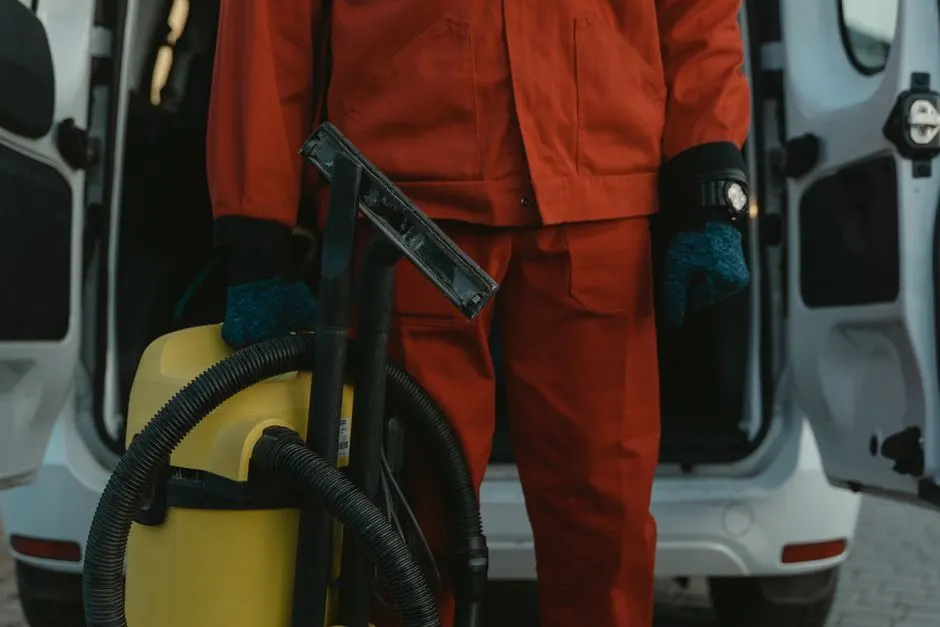
A professional cleaner in a red uniform holding a vacuum near a van, ready for service.
Licensed Licensed & Bonded
Fully Insured Insured & Bonded
24/7 Emergency Same-Day Response
Warranty Backed Workmanship Guaranteed

What Our Furnace Cleaning Covers

Every furnace cleaning includes the full mechanical and airflow service described below. If we find something outside this scope, like a cracked heat exchanger or a failed blower motor, we quote the repair separately and you decide. No surprise charges, no work done without your go-ahead.

Blower and Cabinet Deep Clean

We pull the blower motor, vacuum the wheel and housing, and wipe down the cabinet interior. The burners get brushed and the flame sensor and igniter are cleaned and tested with a multimeter. This is the step that restores airflow and stops the furnace from short cycling.
Heat Exchanger Inspection

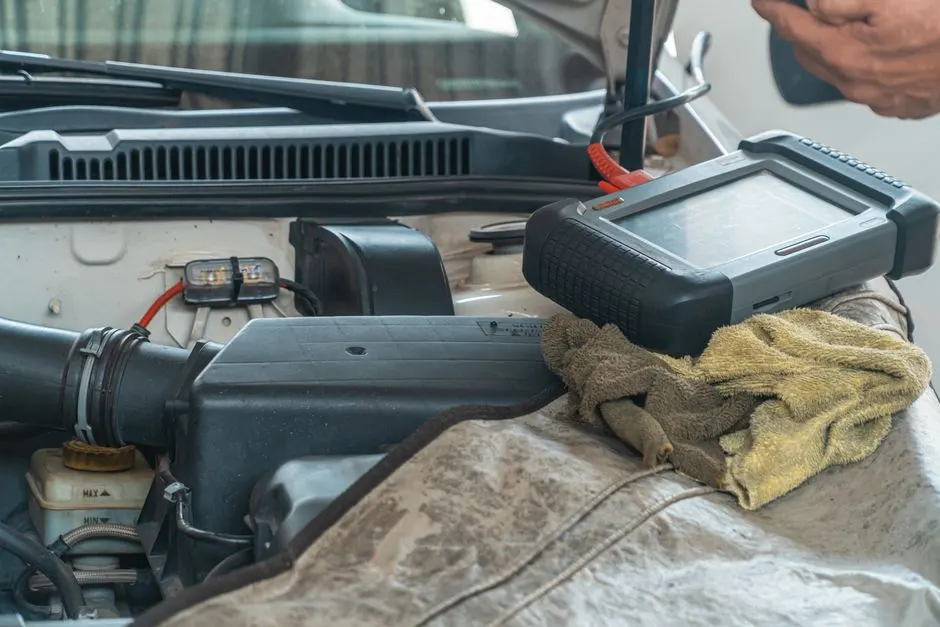
Using an inspection camera, we check the heat exchanger for cracks, rust-through, and soot streaks. Any carbon monoxide concern gets flagged with combustion analyzer readings shown to you on the spot. This inspection is the single most important safety check on a gas furnace.

Duct and Register Cleaning

Every supply register and return grille comes off, the boots get vacuumed, and the duct system runs under negative pressure so debris lands in our collection unit. We seal leaking joints in attics and crawlspaces with duct sealant. This is what fixes rooms that never reach temperature.

Filter Replacement

We install a fresh air filter sized correctly for your cabinet and recommend the right MERV rating for your household. Too high a MERV chokes airflow; too low lets debris through. We tell you which one your system actually needs, not just what is on sale.

Combustion and Airflow Testing

A combustion analyzer verifies the burners are firing at the correct air-to-fuel ratio, and a manometer confirms static pressure is within manufacturer spec. You get before-and-after numbers in writing, which also satisfies most furnace manufacturers' maintenance warranty requirements.

Thermostat and Controls Check

We test the thermostat, gas valve, and furnace control board for fault codes and calibration issues. Nest and Honeywell controls get checked for schedule accuracy and proper staging. If a capacitor or thermocouple is reading weak, we tell you before it fails mid-winter.

What Furnace Cleaning in Colorado Actually Involves


Furnace Cleaning in Colorado is a full mechanical and airflow service, not a quick wipe-down. We pull the blower motor, vacuum the heat exchanger and plenum, brush the burners, clean the flame sensor and igniter, and seal leaks in the duct runs feeding each room. A combustion analyzer checks that the burners are firing at the right air-to-fuel ratio, and a manometer confirms static pressure is where the manufacturer designed it. Most homes take two to four hours depending on how many registers and returns we are working with.

Colorado homes earn this service. Between the dust that blows off the eastern plains, the wood smoke and pollen along the foothills, and the dry forced-air heat that runs five months straight, filters load up fast and blower wheels cake with debris. When airflow drops, the furnace short cycles, the heat exchanger runs hotter than it should, and your gas bill climbs. That is why we recommend a furnace and duct cleaning Colorado homeowners schedule every fall, before the first hard freeze hits.

Our Furnace Cleaning Process, Step by Step

We run the same sequence on every furnace cleaning service Colorado call, whether it is a 900-square-foot ranch in La Junta or a 4,000-square-foot mountain home in Fraser. Here is exactly what happens from the moment we pull up.

01

Schedule

Call or book online — a real human picks up and confirms a 2-hour arrival window.

02

Diagnose

Licensed tech inspects on-site, then walks you through the cause and your options.

03

Fix

The job is completed to code and done right the first time — no shortcuts, no surprises.

04

Guarantee

Every job backed by a written workmanship warranty — and we stand behind it.

Tools and Methods We Use on Every Cleaning

Tools & Equipment

Combustion Analyzer

Measures oxygen, carbon monoxide, and flue temperature to confirm the burners are firing at the correct air-to-fuel ratio. Every gas furnace visit includes a combustion test with readings shared with you.

Manometer

Reads static pressure at the plenum and across the filter to quantify airflow restriction. Before-and-after manometer readings show exactly how much the cleaning improved your system.

Inspection Camera

Lets us see inside the heat exchanger and duct runs without cutting into the cabinet. This is how we catch cracks, rust-through, and debris blockages that are invisible from the outside.

Clamp Meter and Multimeter

Tests blower motor amp draw, capacitor health, flame sensor microamps, and igniter resistance. These readings tell us whether a component is fine, marginal, or about to fail.

HEPA Vacuum and Duct Collection Unit

Captures debris from the cabinet, blower, and duct runs under negative pressure so nothing ends up in your living space. The HEPA filtration keeps fine dust from recirculating during the job.

Vacuum Gauge

Verifies gas valve inlet and manifold pressure on gas furnaces. Correct gas pressure is what keeps the burners firing cleanly and the heat output where the manufacturer rated it.

Methods & Standards

ACCA Static Pressure Testing

We follow ACCA standards for measuring total external static pressure and comparing it to the manufacturer's rated airflow. If your system is running above spec, we identify whether the restriction is the filter, the coil, the duct design, or the blower itself.

Combustion Analysis and Draft Verification

Every gas furnace gets a combustion test with flue draft verification. We check for carbon monoxide spillage, confirm the flue is drafting properly, and document the readings. This is the safety step that catches heat exchanger problems before they become dangerous.

Negative-Pressure Duct Cleaning

We run the duct system under negative pressure while agitating each branch line, so loosened debris travels to our collection unit instead of into your rooms. Registers and returns come off first, and every boot gets vacuumed by hand.

Component-Level Electrical Testing

Flame sensors get microamp readings, igniters get resistance checks, capacitors get capacitance tests, and blower motors get amp draw measurements. We replace what is failing and leave what is healthy, with the numbers to back up the call.

When to Schedule Furnace Cleaning in Colorado

01

You just moved into a Colorado home and do not know the last time the furnace was cleaned.

What we do: We run the full cleaning and inspection, document the heat exchanger condition, and give you a baseline set of readings for the system. If the previous owner skipped maintenance, we will find it and tell you what it needs.

→ You start the heating season with a clean furnace, a documented baseline, and no surprises waiting for the first cold snap.

02

Your fall filter change is overdue and the furnace smells dusty when it first kicks on.

What we do: We pull the blower, clean the cabinet and heat exchanger, replace the filter, and check the burners and flame sensor. The dust smell usually comes from debris burning off the heat exchanger, and cleaning removes it.

→ The smell is gone, airflow is restored, and the furnace runs quieter and cycles less often through the winter.

03

You are a landlord or property manager with multiple units heading into heating season.

What we do: We schedule block appointments, clean each furnace and duct system, and provide per-unit documentation of combustion readings and heat exchanger condition. We work across the Front Range and Western Slope on the same route.

→ Every unit is documented and ready for winter, and you have written proof of maintenance for your records and warranty claims.

04

Your energy bills jumped last winter and you want to know why before this season starts.

What we do: We measure static pressure, check the blower motor amp draw, and clean the entire air path. Restricted airflow is the most common reason a furnace runs longer than it should, and cleaning usually fixes it without any parts replacement.

→ Most homes see a measurable drop on the next gas bill after cleaning, plus a furnace that holds temperature instead of chasing it.

How Furnace Cleaning Runs Across Colorado

Colorado furnaces work harder than furnaces in most states. Heating season runs October through April along the Front Range, and in Fraser, Eagle, and the high country it can stretch into May. The dry air pulls moisture out of everything, including duct sealant, which is why leaking joints in attics and crawlspaces are so common here. On the eastern plains around Calhan and Matheson, wind-driven dust loads filters in weeks rather than months. Along the Western Slope in Grand Junction, temperature swings between day and night stress heat exchangers differently than the steady cold on the Front Range. We adjust the cleaning sequence and filter recommendation to match your region, and we test combustion and static pressure on every visit. If you are wondering how often should furnace be cleaned in Colorado, the honest answer for most homes is once a year, and twice if you have pets, allergies, or a recent remodel.

Neighborhoods We Serve

  • Front Range Metro

    Denver, Aurora, Longmont, and the surrounding suburbs have a mix of older ranch homes and newer tight builds. Older homes often have undersized returns; newer homes need correctly sized filters to avoid choking airflow.

  • High Country

    Fraser, Eagle, Avon, and Breckenridge sit above 7,000 feet, where furnaces run longer and combustion air is thinner. We adjust combustion testing for altitude and check flue draft carefully on every mountain visit.

  • Eastern Plains

    Calhan, Matheson, Strasburg, and the plains towns deal with wind-driven dust that loads filters fast. We recommend higher-capacity filtration and more frequent blower cleaning on these routes.

  • Western Slope

    Grand Junction and the surrounding valleys see wide day-night temperature swings. Heat exchangers expand and contract more here, so we inspect them carefully and document condition year over year.

  • Foothills and Mountain Communities

    Pine, Idledale, Coal Creek, and the foothill towns often have wood smoke and pollen in the air. Duct cleaning matters more here because those particles settle in the system and recirculate all winter.

Local Conditions We Plan For

  • Five to six months of continuous heating season

    Furnaces run far more hours per year than in milder states, so blower wheels and heat exchangers accumulate debris faster. Annual cleaning is the minimum, not a luxury.

  • Low humidity and dry forced-air heat

    Dry air dries out duct sealant and causes joints to separate over time. We check and reseal duct connections on every cleaning, especially in attics and crawlspaces.

  • High-altitude combustion in mountain towns

    Above 7,000 feet, thinner air changes the air-to-fuel ratio. We adjust combustion analyzer expectations for altitude and verify the furnace is derated correctly if the manufacturer requires it.

  • Wind-driven dust on the eastern plains

    Filters load up in weeks instead of months, and blower wheels cake with fine grit. Plains homes do better on a twice-a-year cleaning schedule and higher-MERV filtration.

Cold Bedrooms Fixed by Duct Cleaning

Before

A 1970s ranch in Longmont had two back bedrooms that never got above 62 degrees, even with the thermostat at 70. The furnace short cycled every eight minutes, and static pressure read 0.9 inches of water column, well above the manufacturer's 0.5 rating.

After

We cleaned the blower and heat exchanger, found a crushed return duct in the crawlspace, and repaired it. Static pressure dropped to 0.55, the short cycling stopped, and both bedrooms reached 68 degrees within two heating cycles.

Maintenance: Replace the filter every 60 days during heating season and have the blower and ducts cleaned annually. Keep the crawlspace return clear of stored items so it does not crush again.

Before

A family east of Calhan was changing filters every three weeks and still seeing dust settle on furniture within a day. The blower wheel was caked with fine plains grit, and several duct joints in the attic were leaking heated air into unconditioned space.

After

We pulled and cleaned the blower, sealed the leaking duct joints with duct sealant, and installed a correctly sized MERV 11 filter. Visible dust on furniture dropped noticeably within the first week, and filter life stretched to eight weeks.

Maintenance: Stick with MERV 11 and check the filter monthly during windy stretches. Book a cleaning each fall before the plains wind season starts.

Before

A 1998 Rheem in Grand Junction was running fine but had never been cleaned. During a routine fall visit, the inspection camera found a hairline crack in the heat exchanger and combustion readings showed elevated carbon monoxide in the flue.

After

We shut the furnace down, documented the readings, and quoted a replacement. The homeowner avoided a mid-winter carbon monoxide emergency, and the new high-efficiency unit was installed and commissioned with combustion analyzer verification.

Maintenance: Annual cleaning and combustion testing is what caught this. Keep the maintenance schedule current so the next heat exchanger issue gets found the same way, early.

Furnace Problems Cleaning Fixes Before They Get Expensive

Most winter no-heat calls start as small airflow or ignition issues that a fall cleaning would have caught. Here are the problems we see most often on Colorado furnaces and what happens when they are ignored.

Problem

Furnace blowing cold air instead of heat

Usually a dirty flame sensor or a blower running with restricted airflow. Left alone, the furnace short cycles, the heat exchanger overheats, and you are looking at a repair bill instead of a cleaning.

Our Fix

We clean the flame sensor, verify the igniter with a multimeter, and check the gas valve. If airflow is the culprit, cleaning the blower wheel and replacing the filter restores proper heat delivery on the same visit.

Problem

Furnace making banging noise on startup

Delayed ignition from dirty burners lets gas build up before it lights, which produces that thump. Repeated delayed ignition cracks heat exchangers over time and creates a real safety concern.

Our Fix

We brush and clean the burners, check the igniter and flame sensor, and verify gas pressure at the valve. Combustion analyzer readings confirm the burners are firing cleanly before we leave.

Problem

Furnace tripping the breaker or short cycling

Restricted airflow makes the blower motor draw more amps than the circuit allows, tripping the breaker. Short cycling wears out the control board, igniter, and blower motor years early.

Our Fix

We test the blower motor with a clamp meter, measure static pressure with a manometer, and clean the cabinet and ducts to remove the restriction. If the capacitor is weak, we replace it on the spot.

Problem

Uneven heating and rooms that never get warm

Leaking duct joints in attics and crawlspaces dump heated air into unconditioned space. You pay to heat the attic while the back bedroom stays cold, and the furnace runs longer than it should.

Our Fix

We clean every register and return, seal leaking duct joints with duct sealant, and verify static pressure at the plenum. Most homes see the temperature gap between rooms close within a few degrees after the visit.

Why Colorado Homeowners Book Furnace Cleaning

Why Colorado Homeowners Book Furnace Cleaning

A clean furnace moves air the way it was engineered to. Here is what that looks like in real numbers for Colorado homes running heat from October through April.

  • Lower Monthly Gas Bills

    A dirty blower wheel and clogged filter can cut airflow by 20 to 30 percent, forcing the furnace to run longer for the same heat. After cleaning, most Colorado homes see a measurable drop on the next gas bill. We measure static pressure before and after so you can see the difference on paper.

  • Fewer Mid-Winter Breakdowns

    Most no-heat calls we run in January trace back to a dirty flame sensor, a tripped limit switch, or a blower motor overheating under debris. Cleaning those components in the fall removes the three most common causes of a furnace blowing cold air at 2 a.m. on a below-zero night.

  • Cleaner Air Through the House

    Every time the blower kicks on, it pushes whatever is sitting in the cabinet and ducts into your living space. Removing built-up dust, pet dander, and construction debris means your family breathes less of it. Households with allergies or a newborn notice the difference within the first heating cycle.

  • Longer Equipment Life

    A furnace that runs hot because of restricted airflow wears out its heat exchanger and blower motor years early. Keeping the cabinet, burners, and ducts clean is the cheapest way to stretch a 15-year furnace toward 20. It also keeps your manufacturer warranty intact, since most brands require documented maintenance.

Furnace Cleaning Cost in Colorado

Typical 2026 pricing for furnace cleaning in Colorado runs $180 to $450, with the average around $260. That covers the full mechanical cleaning, duct and register cleaning, filter replacement, and combustion and static pressure testing. Larger homes with more duct runs, heavily soiled blowers, or add-on duct sealing land at the higher end. You get the exact price before we start, and there is no charge for the estimate.

Typical Investment Range

$180 - $450 depending on system size, duct count, and blower condition

A $260 cleaning that restores airflow and drops your gas bill by 10 to 15 percent pays for itself over one Colorado winter. It also satisfies the annual maintenance requirement most furnace manufacturers attach to their parts warranty, which protects a much bigger investment.

What changes the price

01

System size and duct count

A 1,200-square-foot home with eight registers takes less time than a 3,500-square-foot home with 20. More registers and returns mean more boots to vacuum and more duct runs to clean, which adds labor time.

02

Blower condition

A lightly dusty blower cleans quickly. One caked with pet hair, drywall dust, or years of plains grit has to be pulled and cleaned by hand, which adds $80 to $150 to the job depending on how bad it is.

03

Duct sealing needs

If we find leaking joints in the attic or crawlspace, sealing them with duct sealant adds time and material. It is usually worth it, since leaking ducts are the top cause of uneven heating and high gas bills.

04

Access difficulty

Furnaces in tight closets, low crawlspaces, or attic installations take longer to service safely. We tell you upfront if access will affect the price, so there are no surprises on the invoice.

05

Add-on services

Duct cleaning beyond the standard register and boot vacuum, dryer vent cleaning, or a full furnace tune-up with burner calibration can be added. Each is quoted separately so you can pick what your system actually needs.

Licensed, Certified, and Documented

Licensed & Certified

  • NATE Certification — issued by North American Technician Excellence
  • EPA Section 608 Certification — issued by U.S. Environmental Protection Agency
  • Colorado HVAC License — issued by State of Colorado
  • OSHA Safety Compliance — issued by Occupational Safety and Health Administration
  • ACCA Standards Compliance — issued by Air Conditioning Contractors of America

Verified Reviews

Google ★★★★★4.9

Booked a furnace cleaning before winter and they showed me the static pressure readings before and after. Night and day difference in how fast the house heats up. No upselling, just straight answers about what the system needed.

Yelp ★★★★★4.8

They cleaned our furnace and ducts in Longmont and found a crushed return line the previous company missed. Fixed it on the same visit. Bedrooms are finally warm and the furnace does not run constantly anymore.

BBB ★★★★★4.9

Managed a block of rental cleanings in Grand Junction. Every unit documented with combustion readings, every invoice matched the quote. They flagged a cracked heat exchanger on one unit that could have been a serious problem.

Google ★★★★★5.0

Called about a dusty smell every time the heat kicked on. They pulled the blower, cleaned everything, and replaced the filter with the right MERV rating. Smell is gone and the air in the house feels cleaner. Fair price, on time, no drama.

Furnace Cleaning Experience You Can Verify

Our technicians carry NATE certification and work under a Colorado HVAC license, with EPA Section 608 handling for any refrigerant-side work on heat pumps paired with a furnace. We follow ACCA standards for airflow and static pressure testing, and every job is documented to OSHA safety compliance. We have cleaned and tuned furnaces across every brand that matters in this state: Lennox, Carrier, Trane, Goodman, Rheem, York, Bryant, American Standard, Amana, and Coleman. We also work with Nest and Honeywell controls daily, so your thermostat settings get checked as part of the visit.

  • NATE-certified technicians on every furnace cleaning call, no subs
  • Colorado HVAC license and EPA Section 608 handling on file
  • ACCA-standard static pressure and airflow testing on every visit
  • Combustion analyzer readings documented and shared with the homeowner
  • Experience across Lennox, Carrier, Trane, Goodman, Rheem, York, and Bryant equipment
Get Started Today
Furnace Cleaning Experience You Can Verify

Cities We Serve for Furnace Cleaning in Colorado

We run furnace cleaning routes across the entire state, from the Front Range metro to the Western Slope and the eastern plains. Whether you are in a mountain town at 8,000 feet or a plains community where the wind never stops, the cleaning sequence and documentation are the same. Here are some of the Colorado communities we serve regularly.

Avon

Avon sits at 7,400 feet, where furnaces run long and combustion air is thin. We adjust combustion testing for altitude and check flue draft carefully on every Avon cleaning.

Boncarbo

Boncarbo's rural setting means well water, wood heat, and dust from unpaved roads. We clean blowers and ducts thoroughly here and recommend higher-capacity filtration for the conditions.

Calhan

Calhan sits on the eastern plains where wind-driven dust loads filters in weeks. We schedule regular cleaning routes through Calhan and recommend twice-a-year service for most homes.

Coal Creek

Coal Creek's foothills location means wood smoke and pollen settle into duct systems. We clean registers and returns by hand and seal leaking joints in attics and crawlspaces.

Dacono

Dacono's mix of older homes and newer builds means we see both undersized returns and tight modern cabinets. We size the filter correctly for each and document static pressure readings.

Eagle

Eagle's high-country winters run long, and furnaces here work hard from October into May. We clean heat exchangers carefully and verify combustion at altitude on every visit.

Evans

Evans homes often have original 1970s ductwork with leaking joints in the attic. We clean the full system, seal what is leaking, and restore even heating across the house.

Fraser

Fraser is one of the coldest towns in Colorado, and furnaces there run nearly year-round. We prioritize heat exchanger inspection and combustion testing on every Fraser cleaning.

Grand Junction

Grand Junction's wide day-night temperature swings stress heat exchangers. We inspect them with a camera on every visit and document condition year over year for Western Slope homeowners.

Idledale

Idledale's canyon setting means pine pollen and wood smoke in the air. We clean duct systems thoroughly here and seal joints that have dried out from low humidity.

La Junta

La Junta's southeastern plains climate brings dust and wide temperature swings. We clean blowers and ducts, seal leaking joints, and set up filtration that holds up to the conditions.

Longmont

Longmont has a mix of Victorian-era homes and new construction, each with different airflow challenges. We measure static pressure and size the filter correctly for whatever the system needs.

Matheson

Matheson's open plains location means constant wind and dust. We recommend higher-MERV filtration and clean blower wheels thoroughly on every Matheson route.

Nunn

Nunn sits northeast of Fort Collins where wind and dust are a fact of life. We clean furnaces and ducts here with filtration recommendations built for the conditions.

Pine

Pine's foothills location means wood heat, pollen, and dry air. We clean the full system, seal dried-out duct joints, and verify combustion on every Pine visit.

Furnace Cleaning Questions Colorado Homeowners Ask

Real answers to the questions we hear most often from local homeowners and property managers.

How much does furnace cleaning cost in Colorado?
Most furnace cleanings in Colorado run $180 to $450 in 2026, with the average landing near $260. Price depends on system size, how many supply and return runs you have, and whether duct cleaning is included. Add $80 to $150 if we pull and clean a heavily soiled blower assembly. You get the number before we start, and there is no charge for the estimate.
How often should I clean my furnace in Colorado?
Once a year, ideally in September or October before the heating season starts. Colorado furnaces run five to six months straight, and the dry air plus plains dust loads filters faster than in humid states. Homes with pets, recent remodeling, or anyone with allergies do better on a spring-and-fall schedule. If you skipped last year, book now rather than waiting for a mid-January breakdown.
What does furnace cleaning include in Colorado?
A full cleaning covers the blower motor and wheel, burners, flame sensor, igniter, heat exchanger, plenum, and the supply and return duct runs. We replace the air filter, test the gas valve and control board, and take combustion analyzer and manometer readings. You get a written summary of everything cleaned and anything found that needs repair, plus before-and-after airflow numbers.
Can furnace cleaning improve air quality in Colorado?
Yes. Dust, dander, and debris sitting in the cabinet and ducts get pushed into your living space every time the blower runs. Removing that buildup, sealing leaking duct joints, and installing the correct filter typically cuts visible dust on furniture and reduces allergy symptoms within the first week of heating. Homes near the plains or recently remodeled see the biggest change.

Other Furnace Services We Handle

Furnace Repair

If cleaning turns up a cracked heat exchanger, a failed blower motor, or a furnace tripping breaker, we repair it on the same visit when parts allow. Our trucks carry common igniters, flame sensors, capacitors, and gas valves for Lennox, Carrier, Trane, and Goodman units.

View Furnace Repair

Furnace Installation

When a furnace is past saving, we size and install a new unit to ACCA Manual J standards, pull the local building permit, and commission it with combustion analyzer readings. Cleaning history from your old system helps us match the right capacity for your home.

View Furnace Installation

Furnace Replacement

Full replacement means new furnace, new flue connections, and a fresh filter cabinet. We haul the old unit, seal the plenum, and verify static pressure on the new system so the airflow is right from day one instead of year three.

View Furnace Replacement

Furnace Tune-Up

A furnace tune up and cleaning Colorado appointment pairs the deep clean with a full mechanical adjustment: burner calibration, blower speed check, thermostat calibration, and safety testing. It is the annual service most manufacturers require to keep your warranty valid.

View Furnace Tune-Up

Furnace Maintenance

Ongoing maintenance keeps filters fresh, monitors heat exchanger condition year over year, and catches small issues before they become no-heat calls. We track your system's readings so we can tell you when something is trending the wrong direction.

View Furnace Maintenance

Emergency Furnace Repair

No heat at 2 a.m. in a Colorado January is an emergency, and we treat it like one. Our 24/7 line dispatches a stocked truck, and we carry the parts that fail most often so we can get you warm on the first visit whenever possible.

View Emergency Furnace Repair

Book Furnace Cleaning in Colorado Before the Cold Hits

Fall slots fill fast once the first freeze shows up in the forecast. Call (833) 588-3896 and we will get a NATE-certified technician to your door, usually same-day along the Front Range. Upfront pricing, documented readings, and a furnace that runs like it should all winter.

Call (833) 588-3896 Schedule My Cleaning

Get In Touch With Us

Call (833) 588-3896 any time, day or night. A live dispatcher answers, asks what your furnace is doing, and gives you a real arrival window. For non-emergency tune-ups and installs, email us and we'll get back to you the same business day.

Furnace Pros Colorado


  • Address

    Colorado

  • Hours

    Mon–Fri: 7AM – 7PM
    Sat: 8AM – 4PM
    Sun: Emergency Only
    24/7 Emergency Available

Call (833) 588-3896 Get Quote
Call Quote